

























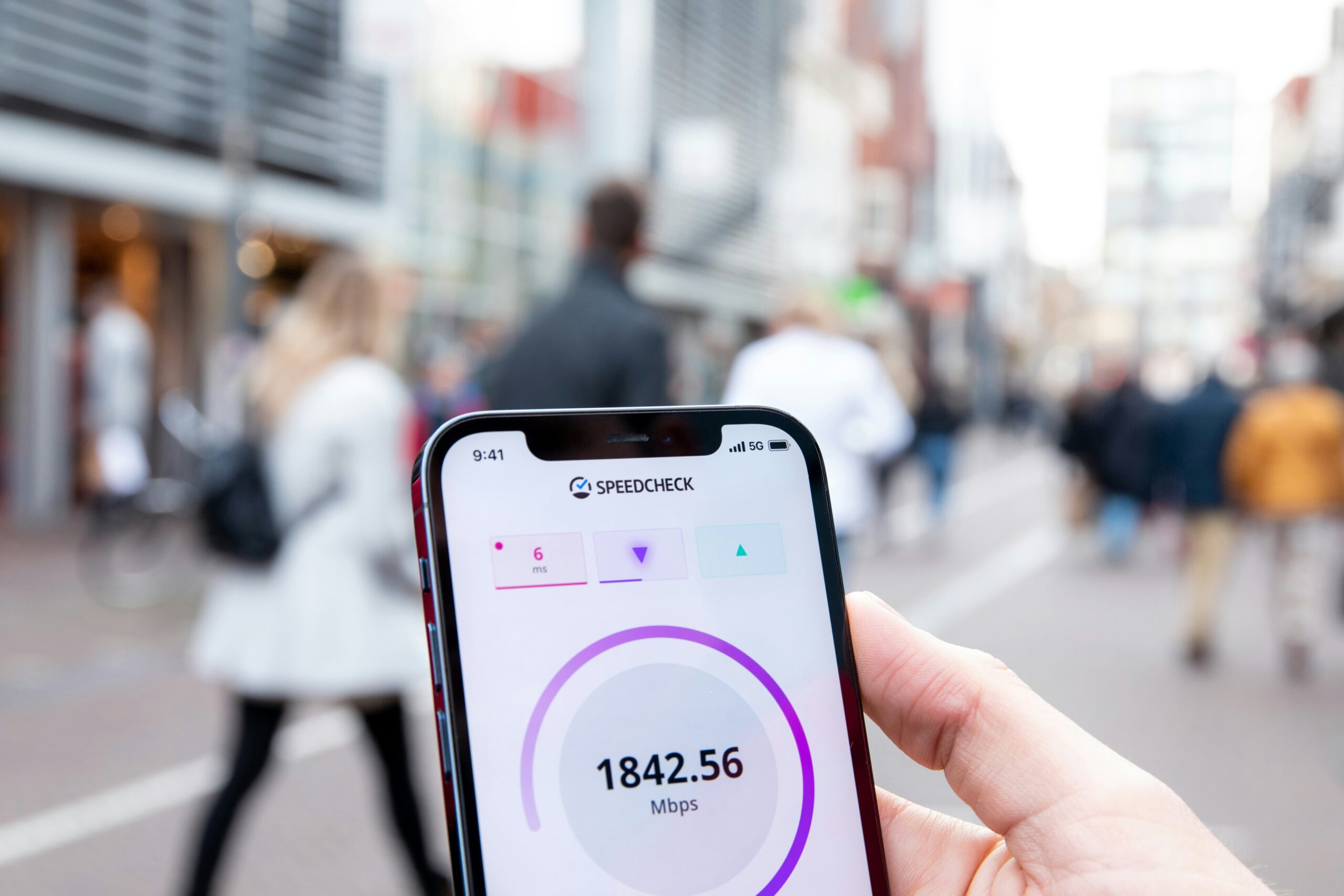
Ookla just ran the numbers on 86 mobile networks across 22 countries and found that even the mighty United States, with its shiny 5G towers and marketing decks full of “blazing speeds” is failing the one metric that actually matters for AI: the U.S. ranked dead last of all 22 markets studied in the share of network throughput allocated to uploads, dedicating just 5.1% to the uplink. Turns out, download speed, the number carriers love to brag about, tells you almost nothing about whether a network can carry AI traffic.
There’s a particular kind of dread that hits you when a sensor goes quiet in the field, and you’re not sure if it’s dead or just shy.
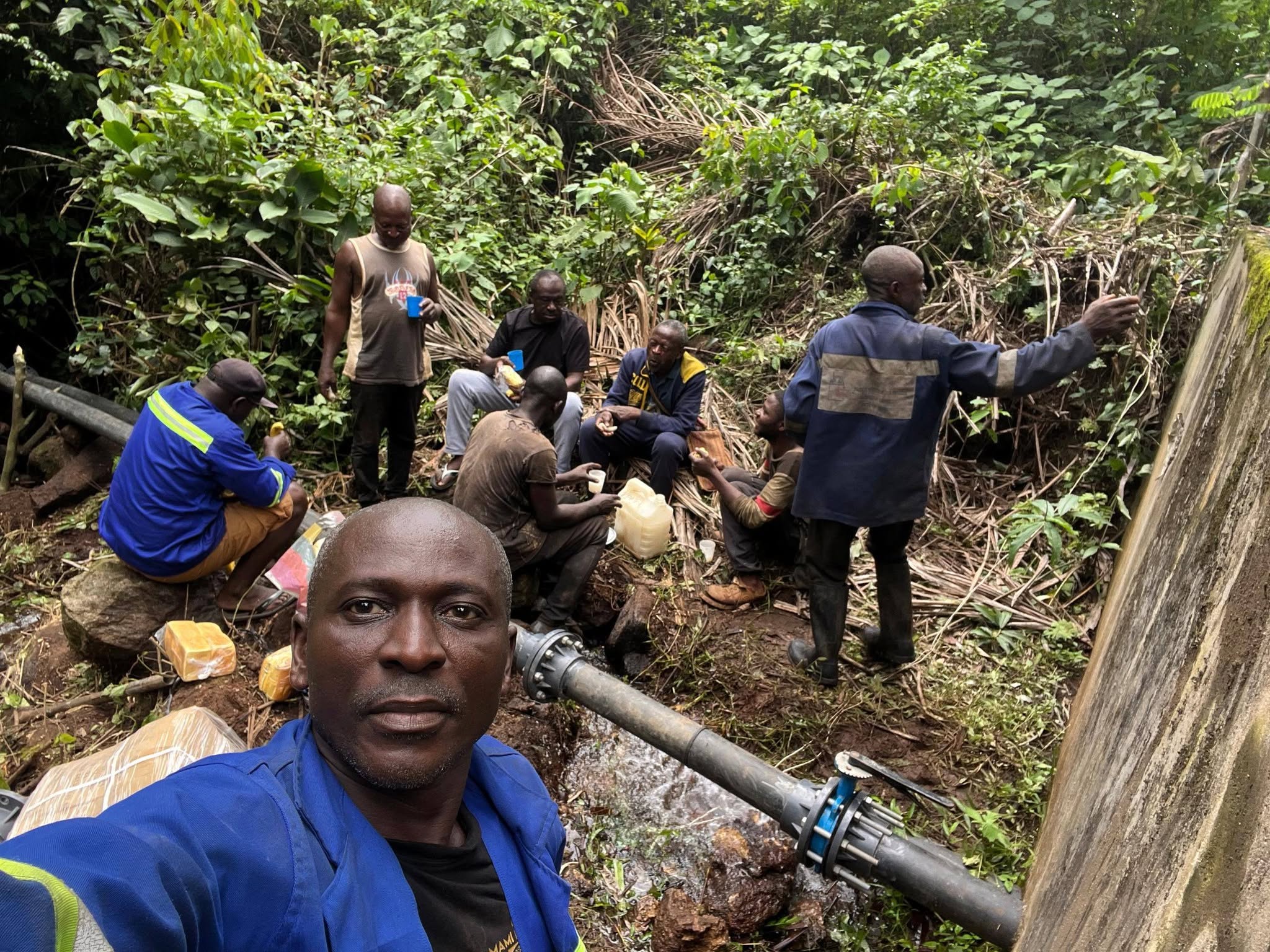
I know this dread personally. When I was designing the technology architecture for Mbineko with Orange Cameroon, a digital forest monitoring solution running LiDAR drones and IoT sensors across the canopy, streaming real-time data back to base, the entire system lived or died on one unglamorous thing: upload bandwidth. Nobody cares how fast your network can download a forest. They care whether the forest can tell you something before the tree falls, the poacher walks, or the fire starts. That’s an upload problem. And upload, historically, has been the neglected middle child of network design, the metric nobody put on a billboard.
So when I read that Ookla just spent a whole report proving what a lot of us in infrastructure already knew in our bones, that 5G was engineered for people scrolling and streaming, not machines talking to machines, I laughed the laugh of a man who’s been there. Ookla didn’t just look at download speeds this time; they measured latency under real network load and how well 5G networks connect to cloud AI platforms. The U.S. missed the latency threshold for text-based AI, which requires multi-server latency under 50 milliseconds, coming in at 50.5 milliseconds, joining South Korea, India, and Spain in the club of markets that came up short. That’s not a rural coverage gap. That’s the world’s most hyped AI economy failing a speed test against its own AI ambitions. telecompetitor.
And the upload story gets worse. Ookla noted AI traffic, conversational AI, and AI agents increasingly demand more upload capacity than 5G networks were originally designed to handle, since these applications send substantially more data upstream than older mobile use cases like video streaming ever did. Even T-Mobile, the fastest U.S. carrier on this metric, posted a median upload speed of just 13.94 Mbps, less than a quarter of the 57.50 Mbps that e& in the UAE managed, the global leader in the dataset.
The UAE’s uplink is outperforming America’s by 4x. Infrastructure bragging rights just got a serious reshuffle. Now, before we crown Ookla’s report as gospel, this is still a speed-test company measuring speed-test data. Real-world AI performance depends on far more than uplink megabits: model efficiency, edge caching, and how much processing actually happens on-device versus round-tripping to the cloud. A network graded “AI-unready” by Ookla’s benchmark can still run a perfectly good chatbot if the app is engineered smartly. So treat this less as a verdict and more as an early warning shot across the bow of every telecom operator still marketing 5G on download speed alone.
For us in Africa, here’s where it gets interesting. Most African 5G rollouts, Nigeria’s Airtel networks, South Africa’s Vodacom and MTN, Kenya’s Safaricom, Rwanda’s ambitious “smart city” push, are still in relatively early build-out phases compared to the U.S. or UAE. That’s usually framed as a disadvantage. I’d argue it’s an opening.
If American and Korean carriers are now scrambling to retrofit networks that were architected around download-heavy assumptions, African operators building fresh infrastructure today have a rare chance to design for upload from day one, not bolt it on later like a regretful home renovation. Ghana’s ongoing fibre and 5G expansion, Rwanda’s IoT-friendly regulatory environment, and Cameroon’s own Orange-led digital infrastructure work (yes, projects like Mbineko) are early proof that upload-conscious network design isn’t theoretical here, it’s already being built, sensor by sensor, drone flight by drone flight.
The flip side is real too: DRC and much of Central Africa still battle basic coverage gaps before upload optimisation becomes a relevant conversation at all. AI-readiness is a luxury problem you only get to have once connectivity itself stops being the bottleneck.
The next big African tech story won’t be about who has the fastest download speeds; that race is already decided and honestly, kind of boring. It’ll be about which African telecom operator is first to explicitly market “AI-grade uplink” as a selling point to enterprise and government clients, smart agriculture sensors, precision forestry like Mbineko, remote health diagnostics, and industrial IoT in oil and gas fields from the Niger Delta to Cameroon’s own energy corridors. Whoever gets there first won’t just win subscribers. They’ll win the infrastructure contracts that actually matter for the next decade.