


























New data from a Wall Street Journal report says EV batteries are ageing way better than the industry predicted degradation rates that used to justify panic are now closer to a rounding error. For African buyers who’ve been burned by every “miracle import” before, that’s either genuinely good news or another spec sheet promise waiting to meet our grid, our roads, and our customs office.
Some time ago, I bought a UPS system to be installed at the Client Service site, which the vendor swore would hold a charge for three years before needing replacement. Eighteen months in, it was gasping. That’s the story every technical operations manager in Oil & Gas knows by heart: vendor numbers on a spec sheet, and reality doing whatever it wants once heat, cycles, and time get involved. So when I hear “battery lasts longer than expected,” my first instinct isn’t celebration. It’s “show me the data, and show me what happens after year five.” Turns out, this time, the data actually holds up.
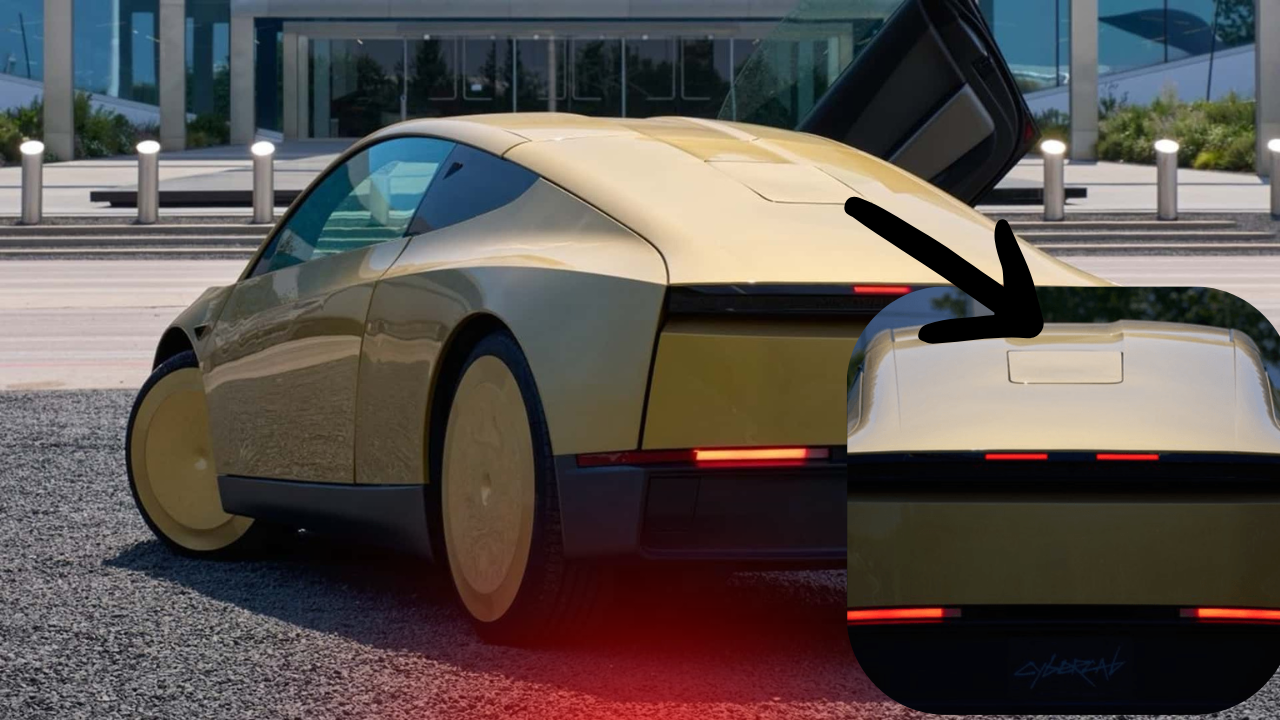
A Tesla Model 3 in the UK has clocked 247,000 miles and is still doing long hauls comfortably. Recurrent, the battery analytics firm, says the average EV retains up to 95% of its original range after five years. That’s not marketing, that’s fleet-level telemetry.
Here’s the number that should actually make headlines: EVs built from 2011–2016 needed battery replacement at a rate of about 1 in 12. EVs built from 2022 onward? 0.3%. That’s not incremental improvement; that’s a different category of engineering. Better chemistry, better thermal management, smarter battery-management software doing the babysitting cells used to do badly on their own.
Anyone who’s managed IT infrastructure knows this pattern. Early-generation hardware fails constantly because nobody’s figured out the failure modes yet. By generation three or four, the failure modes are engineered out. EV batteries just went through their “generation three” moment.
Before we get carried away, this isn’t a free pass. The report is clear that frequent DC fast charging still degrades batteries faster: 89.7% capacity retention on heavy fast chargers versus 94.9% for those who mostly charge slowly. Charging to 100% constantly, letting the battery sit fully drained, and extreme heat all still damage cells. Batteries are chemistry, not magic. Replacement costs outside warranty still run $5,000–$16,000, depending on the manufacturer. And here’s my scepticism, sharpened for this audience specifically: this data comes from the US and UK mature grids, temperate-to-cold climates, factory service networks, and owners who bought the vehicle new with a full warranty history. That’s not the African EV buyer. What this actually means for us is that Most EVs entering African markets aren’t new, they’re used imports.
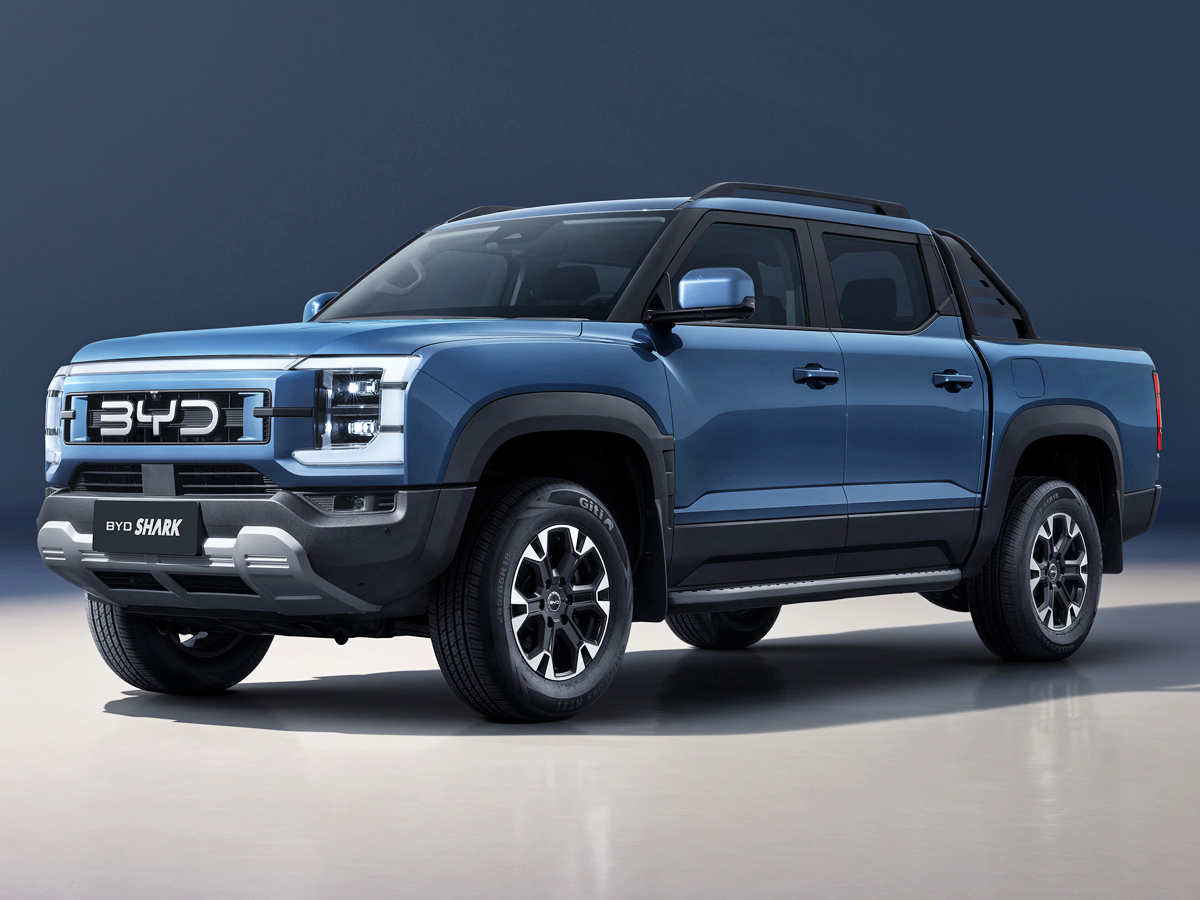
Kenya requires a minimum 80% battery health for import eligibility, which is a smart consumer protection, but it also tells you the market is built entirely around ageing batteries, not fresh ones. Nigeria and Kenya both carry heavy import and export duties on EVs and components, and outside a few countries, Rwanda has scrapped duties on EV spare parts. Ghana runs an eight-year zero-tariff window, and sourcing a replacement battery or module is still an expensive, slow, imported affair.
Then there’s heat. Lagos, Douala, Accra, none of these are the temperate conditions in which this US/UK data was collected. Heat is one of the four degradation accelerants named in the report, and it’s one we can’t opt out of. A Model 3 doing 247,000 miles in the UK climate tells us what’s possible under ideal conditions. It doesn’t tell us what a five-year-old import does after three dry seasons in Kano.
The upside is that Kenya’s cheap geothermal power and Rwanda’s renewable-heavy grid mean charging habits there can actually favour slower, gentler charging, the exact pattern this report says preserves battery health longest. If African EV owners lean into overnight slow charging (which many already do out of grid necessity, not virtue), we may accidentally be doing right by our batteries what wealthier markets do by choice.
The battery-replacement apocalypse was always a manufactured fear, and this data confirms it’s dying globally. But Africa’s EV battery story won’t be written by Tesla’s telemetry in Surrey; it’ll be written by customs duties, heat, and whether Rwanda’s spare-parts model gets copied fast enough by Nigeria and Kenya. My prediction: within three years, the real battery risk in African EV ownership won’t be the chemistry, it’ll be the 6-week wait for an imported replacement module while your car sits dead in a compound. Fix the parts pipeline, and this “range anxiety” panic disappears faster here than it did in the UK