
















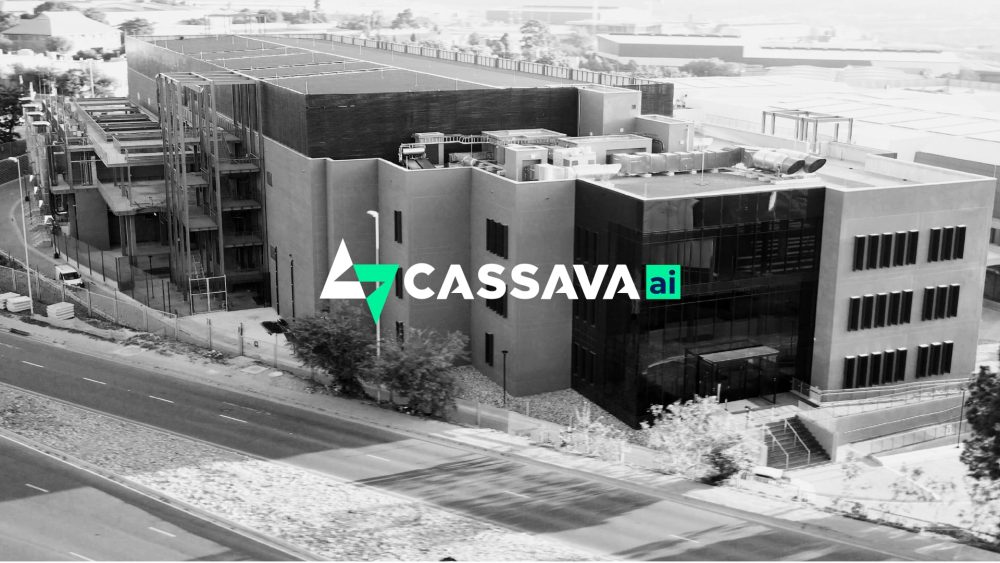
Sixteen months ago, Cassava stood up and made a bold promise: Africa’s first AI factory, built on NVIDIA supercomputers, keeping AI training and data inside African borders. Big claim. The kind of announcement that either becomes a genuine turning point, or quietly disappears into the graveyard of tech press releases nobody follows up on. My reflex usually is: when a company makes a big infrastructure promise with a hard deadline attached, my first question isn’t “how exciting”; it’s “check back in a year and see if it actually shipped.” Too many projects I’ve watched over the years announced beautifully and delivered quietly, or not at all. So I did exactly that with Cassava’s AI Factory.
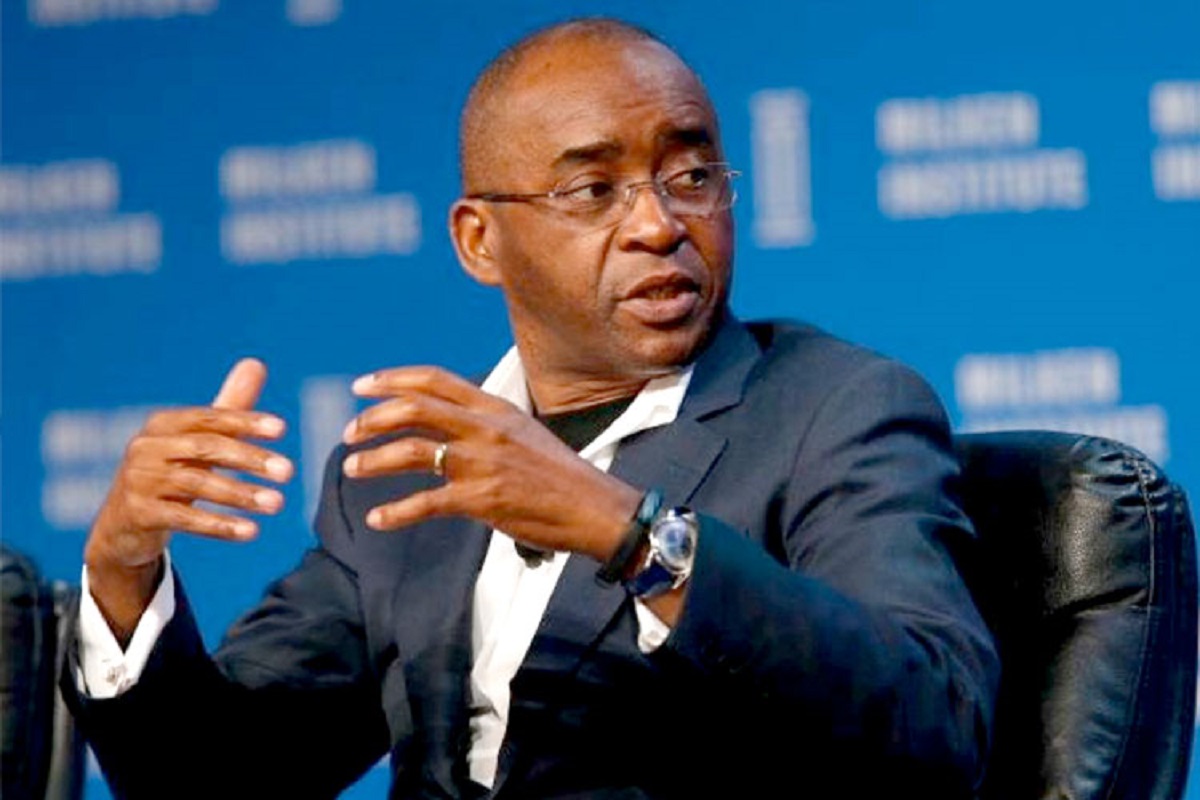
Cassava Technologies announced plans to build Africa’s first AI factory, backed by NVIDIA accelerated computing and AI software using NVIDIA Cloud Partner reference architectures. The plan: deploy in South Africa by June 2025, then expand to Egypt, Kenya, Morocco, and Nigeria. Chairman Strive Masiyiwa framed it as a matter of digital independence, training and running AI models without African data ever having to leave the continent.
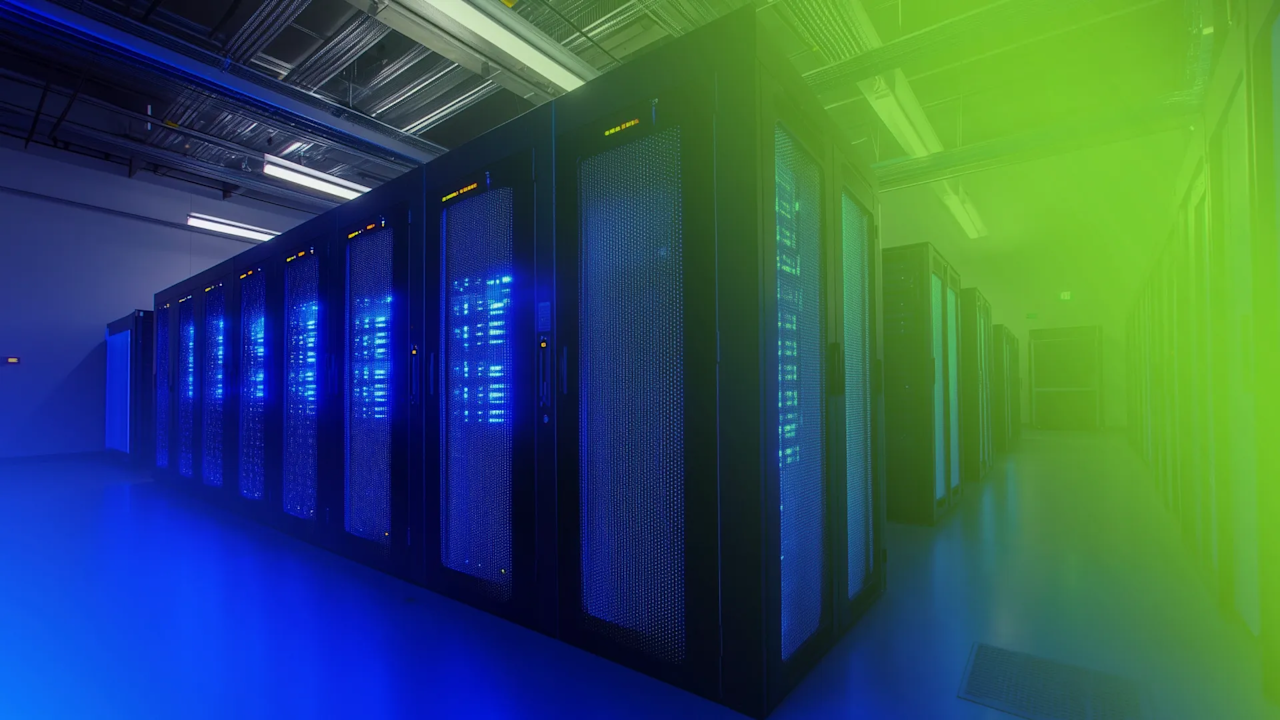
This is the part most coverage skipped. Cassava didn’t just talk; it shipped, largely on schedule. By mid-2025, Cassava had deployed 3,000 NVIDIA GPUs in South Africa, with a total commitment of 12,000 GPUs planned across the continent over three to four years, backed by investment reportedly reaching up to $700 million. At Africa Tech Festival in November 2025, Cassava launched the continent’s first Graphics-Processing-Units-as-a-Service offering, giving businesses remote access to GPU compute hosted in local data centres, rather than requiring them to buy hardware outright.
By March 2026, Cassava confirmed it was scaling the AI Factory model with plans to extend into Nigeria, Kenya, Egypt, and Morocco, and had already launched CAIMEx, the Cassava AI Multi-Model Exchange, a platform giving African developers access to major AI tools and large language models. South Africa’s CSIR has already plugged into the infrastructure, using it to extend AI research partnerships with industry.
Africa’s AI conversation has been dominated by talk, policy papers, summits, and partnership MOUs. What makes this notable is that Cassava actually built the thing it said it would build, on a continent where infrastructure promises routinely stall at the announcement stage.
For South Africa, this means local businesses, researchers, and government agencies no longer have to route AI training workloads through European or US cloud providers with everything that implies for cost, latency, and data sovereignty. For Nigeria, Kenya, Egypt, and Morocco, the expansion plan means this isn’t a South Africa-only play; it’s positioning to become continental compute infrastructure, competing directly with the hyperscalers’ African footprint.
The GPUaaS model matters just as much as the hardware. Most African startups and SMEs can’t afford to buy their own NVIDIA clusters. Renting compute the way you’d rent cloud storage removes that barrier entirely, which is the difference between AI infrastructure that only serves large enterprises, and AI infrastructure that actually reaches the startup and research ecosystem this was supposedly built for.
Where we raise eyebrows: Twelve thousand GPUs across the continent over three to four years is still, in global AI infrastructure terms, a modest footprint; a single hyperscaler data centre expansion in the US or Middle East can dwarf that number in GPU count alone. The “sovereign AI” framing is compelling marketing, but sovereignty without scale doesn’t automatically translate into competitiveness on model training for anything beyond regional or specialised use cases.
There’s also a quieter question nobody in the coverage is asking: who’s actually renting this compute, and at what utilisation rate? A GPU cluster sitting mostly idle in Johannesburg isn’t sovereignty; it’s an expensive showcase. Cassava hasn’t published usage numbers, and until it does, “Africa’s first AI factory” remains a hardware achievement without a proven demand story attached.
Honestly, Cassava deserves real credit here; most African infrastructure announcements this ambitious don’t survive contact with year two, and this one clearly did. But 12,000 GPUs and four planned markets is the opening chapter, not the win. The company that publishes real utilisation and customer numbers first, not just deployment milestones, is the one that proves African AI sovereignty is more than a good tagline.