


























There is a version of African economic integration that exists on paper in treaty documents, summit communiqués, and optimistic press releases. And then there are the conversations that actually move things forward: ministers in a room, sector by sector, asking hard questions about supply chains, tariffs, investment incentives, and joint manufacturing. On June 22, 2026, one of those real conversations happened in Cairo.
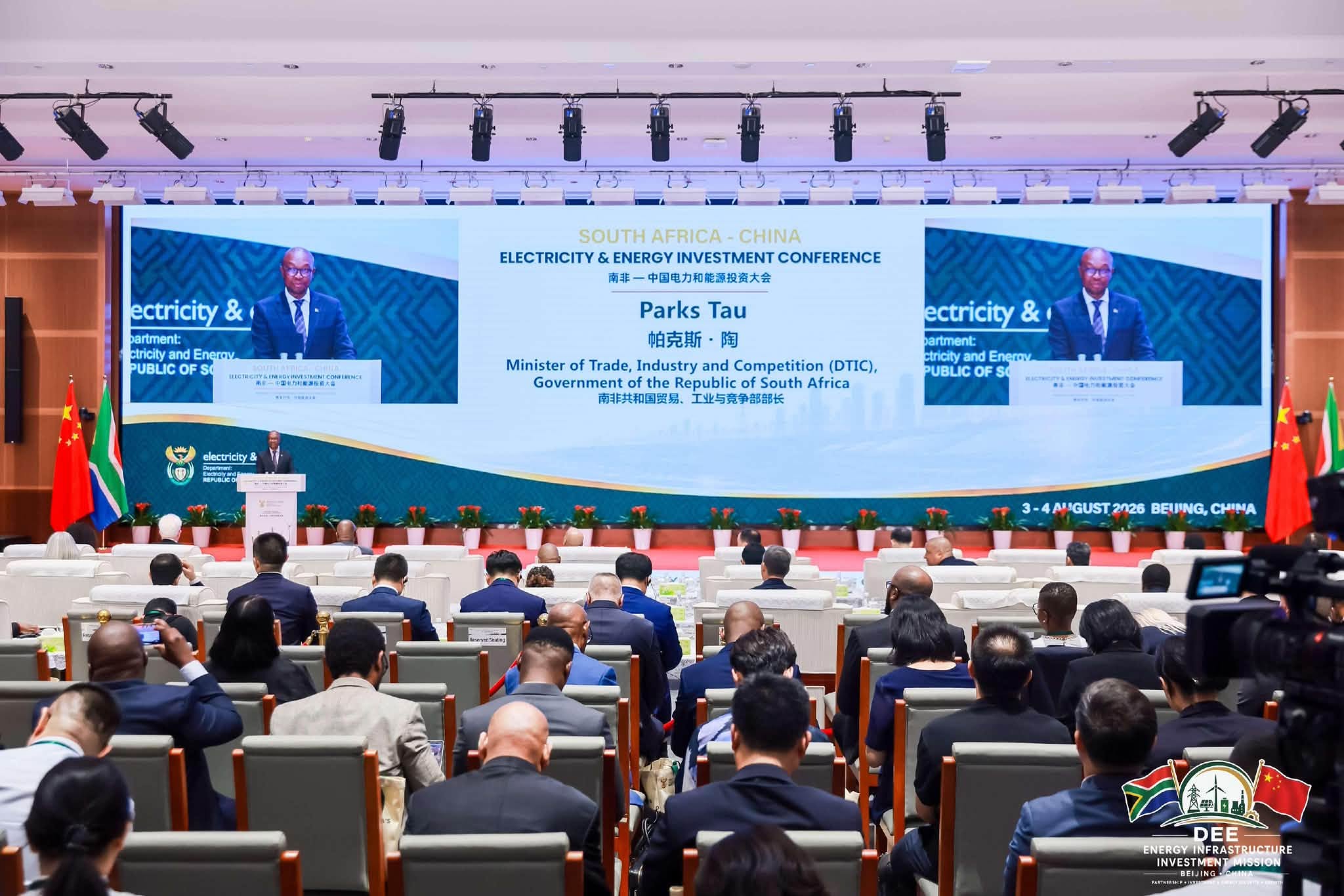
Egypt’s Minister of Industry, Khaled Hashem, held talks with South Africa’s Minister of Trade, Industry and Competition, Parks Tau, to explore opportunities for strengthening economic cooperation and advancing industrial integration between the two countries. Discussions focused on enhancing cooperation in pharmaceuticals, medical supplies and equipment, automotive manufacturing and component industries, as well as logistics infrastructure. On the surface, it reads like standard diplomatic language. Look closer, and it is a blueprint for what African industrialisation at scale could actually look like.
Wondering what was actually discussed? The meeting produced several concrete proposals that go well beyond the usual diplomatic pleasantries. On automotive manufacturing, Hashem said Egypt is seeking to attract automotive component manufacturers to establish production facilities in the country and benefit from incentives offered under the National Automotive Industry Development Programme, which targets annual vehicle production of 100,000 units by 2030.
On the other side of the table, South African Minister Parks Tau highlighted his country’s capabilities in the automotive and pharmaceutical industries, noting that South Africa is the largest vehicle manufacturer and exporter on the African continent.
The pairing is deliberate. Egypt wants to build a component manufacturing base. South Africa has the vehicle assembly expertise and export market infrastructure. The complementarity is real, and it is exactly the kind of north-south industrial linkage the AfCFTA was designed to enable.
On pharmaceuticals, Hashem revealed that Egypt is currently negotiating with several global pharmaceutical companies to invest in the local production of active pharmaceutical ingredients (APIs) as part of efforts to transfer technology and localise pharmaceutical manufacturing. This is significant. API production the synthesis of the core chemical compounds that go into medicines is the most technically demanding and strategically critical link in the pharmaceutical supply chain. Most of Africa currently imports APIs from India and China.
A North African production base for APIs, integrated with South Africa’s more developed pharmaceutical distribution and regulatory infrastructure, changes that dependency equation. To institutionalise the relationship, Hashem proposed the establishment of an Egyptian-South African Business Council to strengthen ties between the private sectors in both countries and support joint projects, alongside a joint ministerial committee to monitor cooperation initiatives and address challenges facing ongoing work.
Now you may be wondering why this matters far beyond Cairo and Johannesburg: The Egypt-South Africa conversation matters for three structural reasons that extend across the entire continent. First, it is AfCFTA in action. The African Continental Free Trade Area, operational since 2021, is Africa’s most ambitious economic integration project: a single market covering 55 countries and over 1.4 billion people. But trade agreements alone do not create industrial capacity. What creates industrial capacity is exactly what happened on June 22: two countries identifying comparative advantages, aligning incentive structures, and building the institutional mechanisms to move capital and technology between them. Both ministers underscored the importance of enhancing coordination to advance Africa’s development agenda, particularly through the implementation of AfCFTA, and promoting industrialisation across the continent. This is AfCFTA being built deal by deal, sector by sector; the only way it ever actually works.
Secondly, it establishes an industrial standard that the rest of Africa will have to meet. When the two largest industrial economies on the continent align their automotive and pharmaceutical strategies, they create a baseline of manufacturing capability, regulatory alignment, and supply chain infrastructure. Countries that want to participate in this emerging market as suppliers, distributors, or secondary manufacturers will need to be able to meet that standard. Countries that cannot will remain consumers rather than producers.
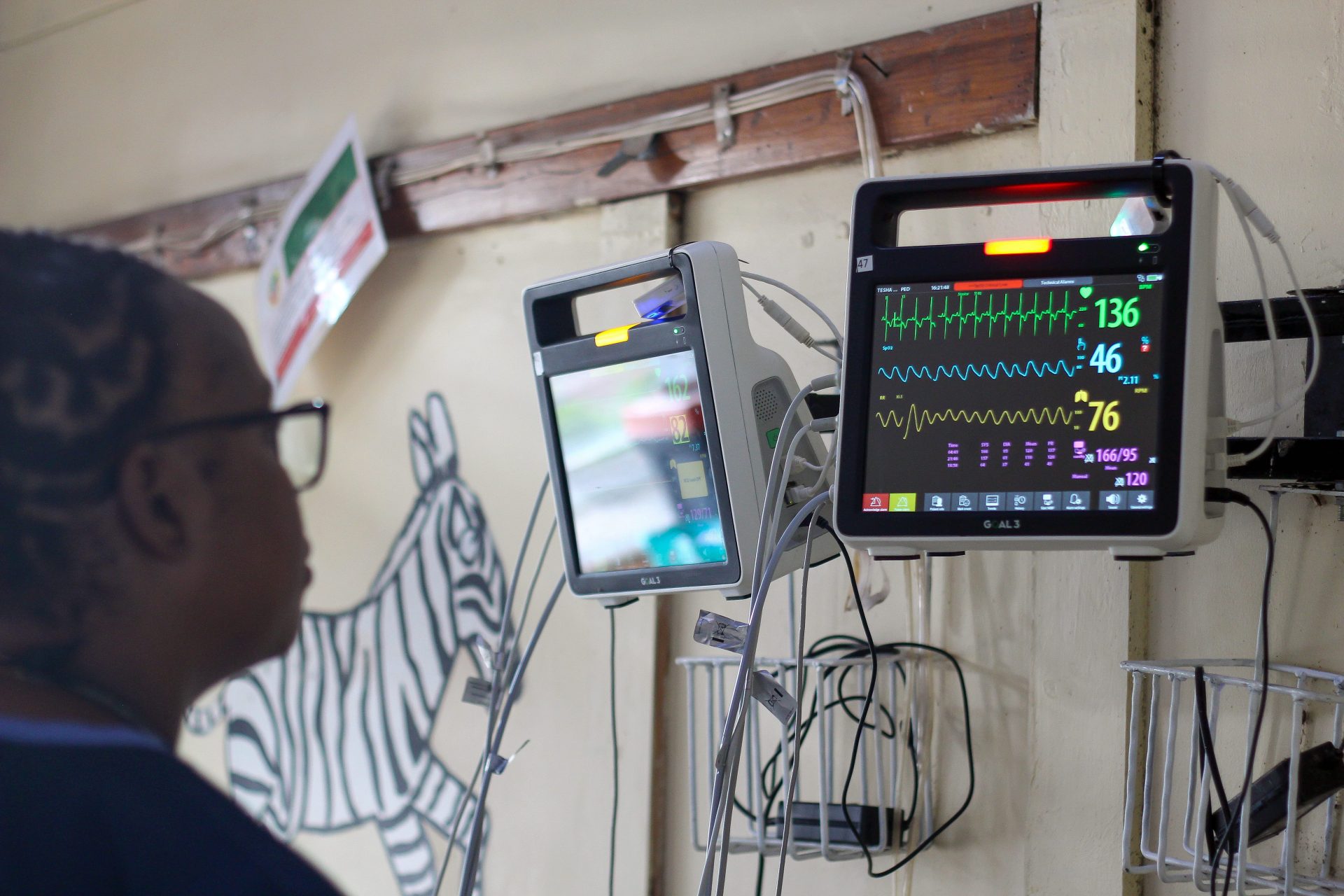
Thirdly, it addresses Africa’s most critical economic vulnerability: import dependency. The COVID-19 pandemic exposed with devastating clarity how dangerous it is for African nations to depend on external suppliers for essential medicines and medical equipment. The talks addressed medical supplies and equipment alongside pharmaceuticals a clear signal that both governments understand the strategic dimension of local manufacturing capacity in the health sector. A continent that cannot produce its own medicines or assemble its own vehicles will always be subject to external supply chain disruptions, price shocks, and geopolitical leverage.
For the rest of Africa, and specifically for Central and West African economies like Cameroon, this story has direct strategic relevance. The automotive sector discussion is particularly pointed. South Africa stressed the importance of finalising a memorandum of understanding related to automotive industry development, saying the agreement would support intra-African trade and attract strategic investments into the sector. As that MOU takes shape, it will create a formal framework governing vehicle and component trade between North and Southern Africa. For countries in Central Africa sitting geographically between these two industrial anchors, the question becomes: are we positioned to participate in these supply chains, or are we simply a transit corridor and consumer market?
The pharmaceutical conversation carries an equally urgent message. Africa currently produces less than 3% of the medicines it consumes. Egypt and South Africa are both taking deliberate steps to change their position in that equation. The API localisation agenda in Egypt, combined with South Africa’s established pharmaceutical manufacturing base, points toward a future where a genuinely African medicine supply chain becomes possible. For health systems across the continent, including Cameroon’s, the question is whether to engage with that emerging infrastructure or remain dependent on imports from outside the continent.
For African technology companies and systems integrators, there is also a logistics dimension that deserves attention. Logistics infrastructure was explicitly listed among the cooperation areas discussed. Industrial integration at scale requires digital infrastructure, warehouse management systems, cold chain tracking for pharmaceuticals, automotive supply chain software, and cross-border trade platforms. The growing industrial base between Egypt and South Africa creates a market for exactly the kind of technology services and systems that forward-thinking African tech firms should be building and deploying. dailynewsegypt
Ministerial meetings are necessary but not sufficient. The proposals on the table the Business Council, the joint ministerial committee, the automotive MOU, the API investment negotiations all require follow-through that historically has been Africa’s weakest link in bilateral economic diplomacy.
Three things will determine whether this conversation translates into actual industrial integration. The first is private sector engagement. Government frameworks set the conditions; businesses make the investments. The proposed Egyptian-South African Business Council is the right mechanism, but it needs to be operationally active, not ceremonially launched. The second is implementation of the joint monitoring committee, a body specifically designed to track progress and resolve blockages. Its regular functioning will be the clearest indicator of whether political will is being converted into economic reality. The third is regulatory alignment, particularly in pharmaceuticals. API production, medical device certification, and automotive component standards all require compatible regulatory regimes. The speed of that alignment process will determine how quickly actual trade and investment can flow
Interestingly, here’s the bigger Picture: Africa’s economic future has always depended on whether its largest economies could stop competing for the same foreign investment and start building the industrial complementarities that make a continent-wide market genuinely functional. Egypt brings pharmaceutical ambition, a large domestic market, and a gateway to North Africa and the Middle East. South Africa brings automotive leadership, established pharmaceutical manufacturing, and the most developed financial and logistics infrastructure on the continent. Together, they represent a North-South industrial axis with the potential to anchor Africa’s manufacturing ambitions for the next generation. The rest of the continent should be watching and positioning.