






















Three countries, three completely different bets on how to win the AI race in Africa. Ghana said, “Come build here, Google.” Kenya said, “We’ll regulate first, build second.” Then came Rwanda, “we’ll build our own agency and skip the middleman.” Only one of these approaches will survive the next decade, with the country still in control of its own AI economy.
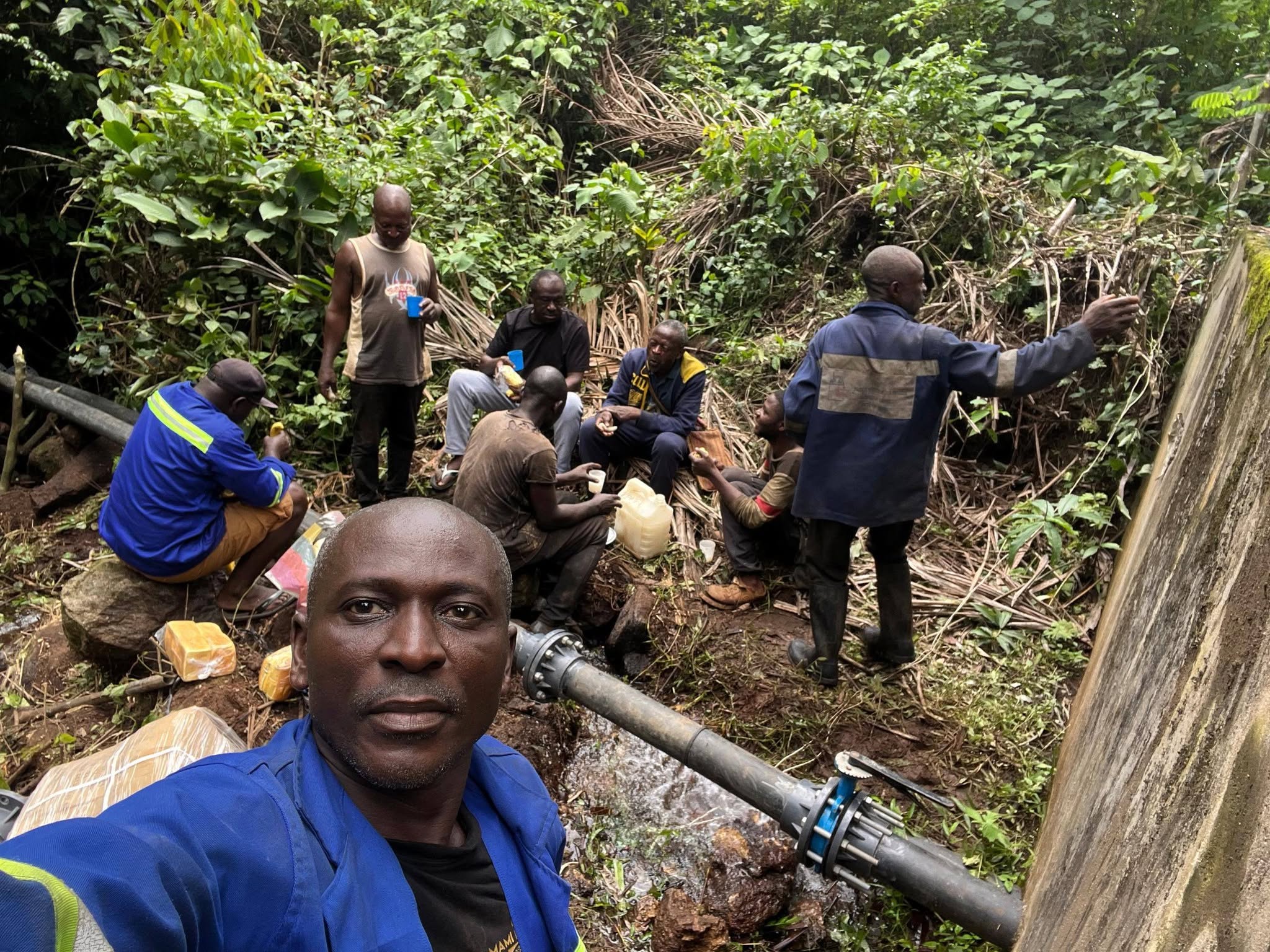
I’ve spent enough time with senior professionals working on government-adjacent infrastructure projects to know that the partnership model, private company plus government blessing, moves fast but leaves you renting your own future, as jokingly described to me by one man I met at an outstation project in Dompta during a Hydrotest campaign. Now, when we built Mbineko during the Orange Summer Challenge, the tech worked because Orange had the network reach, and we had the technical design. But every commercial decision about where that data lived, who accessed it, and what happened when the contract ended sat with Orange, not with Cameroon. That’s the exact tension playing out across these three countries right now, just at the national scale.
Google’s Applied AI Lab in Accra gives founders model access, technical mentorship, and a straight line to VC money through the AI Futures Fund. It’s genuinely useful, I said as much when I covered the announcement in a previous article. But it’s Google’s lab, Google’s models, Google’s timeline. Ghana didn’t build AI infrastructure; it hosted someone else’s. That’s nothing, first-mover advantage in hosting is real, but it means Accra’s AI capital status is only as durable as Google’s continued interest.
Kenya went the opposite direction. Its National AI Strategy 2025–2030, launched in March 2025, is organised around three pillars: digital infrastructure, data, and research/innovation, with governance, talent, and investment as cross-cutting enablers. Kenya became the 16th African country with a formal national AI strategy when it launched. In June 2026, President Ruto’s Cabinet approved a Standing Cabinet Committee on Artificial Intelligence to steer national AI strategy and coordinate policy across government. There’s also a draft Artificial Intelligence Bill, 2026, moving through Parliament right now.
Here’s my honest read: Kenya is legislating a house it hasn’t finished framing. Officials have openly said the government’s AI response is split between building new AI-specific law and patching cybercrime law already on the books, driven partly by anxiety over AI-generated misinformation ahead of the 2027 election. That’s a real concern, but it means Kenya’s energy is going into control and compliance before it’s gone into compute and capital. Good governance without infrastructure is a filing cabinet, not an economy.
Rwanda, on the other hand, is the one I’d put my money on if I had, and it’s not close. In June 2026, the Cabinet under President Kagame approved Rwanda’s first dedicated AI institution, a National Artificial Intelligence Agency, to accelerate AI development, adoption, investment, and governance. It’s not starting from zero either: this builds on the National AI Policy adopted back in 2023 and the Rwanda AI Scaling Hub, already backed by roughly Rwf25 billion from partners including the Bill and Melinda Gates Foundation, according to allafrica.com
What makes Rwanda different is sequencing. Minister Paula Ingabire has been clear that without well-governed local data, there’s no meaningful AI, and Rwanda has already invested in a national data centre, a governed data sandbox, and university partnerships so talent and infrastructure grow together. 70% of Rwanda’s AI policy reportedly focuses on building local skills, on the logic that imported expertise can’t sustain a national ecosystem. That’s the opposite instinct of “let a foreign lab train your best people.” Rwanda wants to grow its own and keep them.
Add Kigali Innovation City, CMU-Africa’s local campus, and the UNDP’s Timbuktoo HealthTech hub already running pilots out of Kigali, and you’ve got a country stacking infrastructure, capital, and talent pipelines in the same city instead of hoping a corporate partner does it for them.
Rwanda’s model isn’t magic either. Commentary out of Kigali itself has flagged that setting up a new agency is easier than making it effective, and success depends on avoiding bureaucratic duplication while proving real results for farmers, hospitals, and businesses, not just policy papers and conferences. A National AI Agency with no delivery record twelve months from now is just an expensive organisational chart. And Rwanda still faces real constraints: a limited pool of advanced AI talent, fragmented data systems, high compute costs, and financing gaps for deep-tech ventures. Small country, small domestic market, ambition alone doesn’t erase capacity limits.
Kenya’s approach also has a legitimate defence: its strategy explicitly complements donor-supported programmes from GIZ, the EU, UNDP, and IDRC, and builds on existing ICT infrastructure like NOFBI rather than starting from scratch. Kenya has the largest tech talent pool and startup density of the three. Nairobi didn’t earn “Silicon Savannah” for nothing. Regulation-first might just be Kenya buying time to get the legal scaffolding right before the compute race gets messy.
My take is that Ghana wins the next 18 months on visibility because Google’s brand does the marketing for them. But visibility isn’t sovereignty. Rwanda is the only one of the three actually building something it will still own in ten years, its own agency, its own data centre, its own talent pipeline, and that’s the model Nigeria, Cameroon, and Côte d’Ivoire should be studying line by line instead of waiting for the next Big Tech company to plant a flag in their capital. Bet on Kigali quietly out-executing Accra by 2030, while Nairobi is still arguing about the bill.