




















On Friday, FuelCell Energy shot up 24% after landing a 380 MW clean power deal with Fit Energy for AI data centres, while Bloom Energy, which had already surged over 1,300% in the past year, tumbled 13% in what analysts are calling a straightforward profit-taking rotation. Two companies, same sector, same trading day, completely opposite directions. That’s your story. And buried underneath the Wall Street noise is something that should make every African energy policymaker and infrastructure professional sit up very straight.
After reading the heading, you may be wondering, but how? Let me tell you something I’ve observed across years working in Oil and Gas and Energy infrastructure in this region: Frankly, I don’t think we have ever had a shortage of energy sources. What we’ve consistently had a shortage of is energy systems. Pipelines without pressure regulation. Generators without maintenance contracts. Substations without redundancy. Power, but not reliable power.
That distinction matters enormously right now. Because the same energy problem that’s sending fuel cell stocks into violent swings on Wall Street is the same problem Africa has been trying to solve for three decades, just with AI data centres as the new poster child.
FuelCell Energy announced a strategic deal with Fit Energy for up to 380 MW of clean, baseload, on-site power specifically for data centres. The initial 30 MW deployment is set to begin late 2026, with the rest tied to milestone warrants. That deal structure, a concrete near-term trigger, scalable upside, is the kind of thing that moves stock prices. And move it did, according to 247wallst
Meanwhile, Bloom Energy, coming off a 1,331% annual run and carrying a forward earnings ratio of about 156x, gave back ground as capital rotated toward the day’s deal winner. Nobody’s fundamentals changed. Bloom still has a product backlog of around $6 billion and strong quarterly revenue. The market simply decided FuelCell Energy had the better story to tell that afternoon.
That’s how high-beta energy stocks work. Violent, noisy, and occasionally disconnected from the actual engineering underneath.
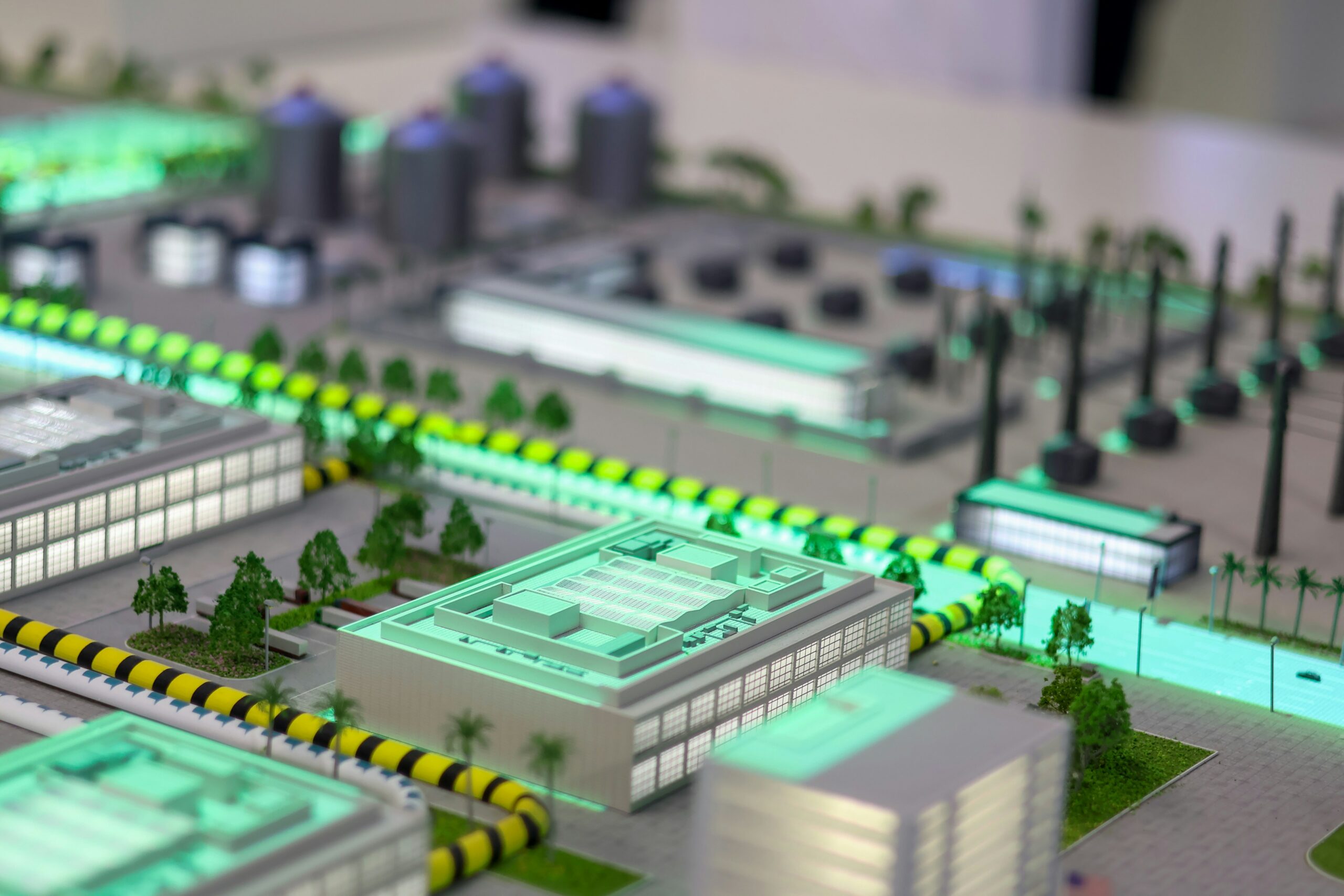
The Part That Should Interest Us is what the financial press in New York focused on: which stock won the day. Here’s what I’m focused on: why this sector is exploding at all. FuelCell Energy’s CEO has framed the company’s strategy as “extending the grid to data centers.” Their commercial pipeline is reportedly about 4 GW, with 90% tied to AI data centre demand. They’re also planning a $200–$275 million factory expansion to push annual production capacity to 500 MW, according to 247wallst
Read that again. The grid can no longer be trusted to power the infrastructure that runs the modern economy. So companies are building their own. On-site. Clean. Baseload. Independent.
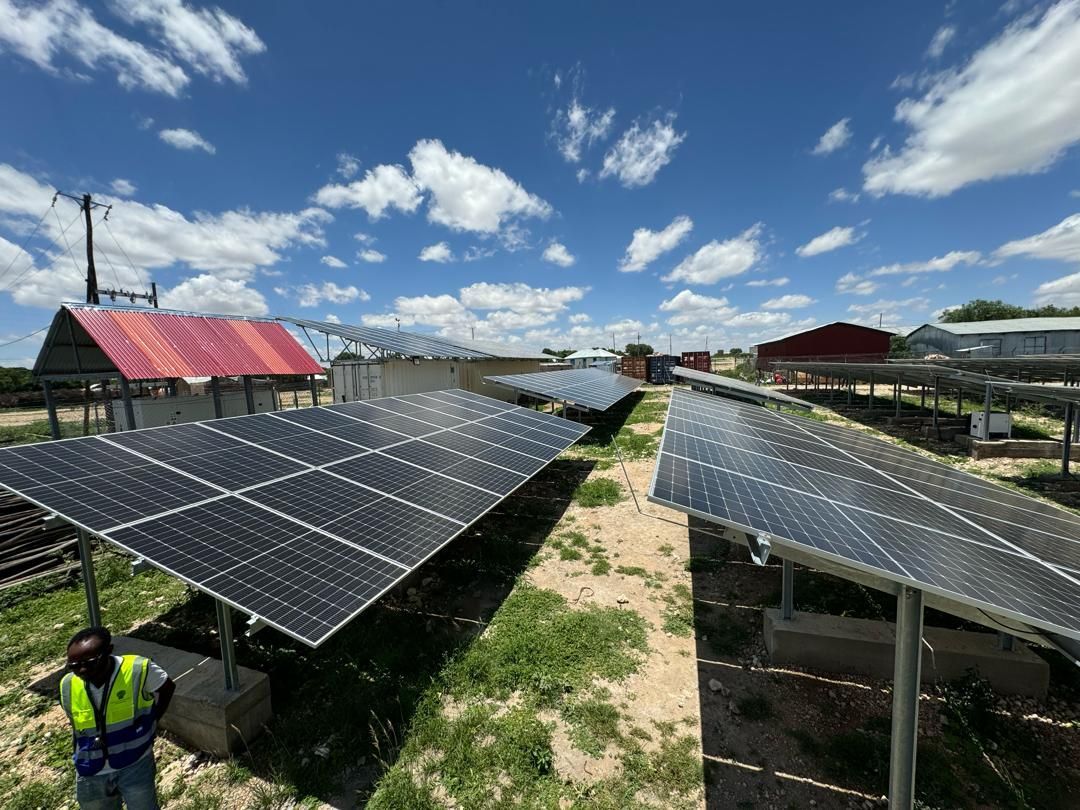
That is not a new problem. That is Tuesday somewhere in Africa with energy issues. That is every industrial zone in Douala, running diesel generators because Eneo/Socadel dropped the ball again. That is every data center operator in Nairobi doing load calculations before they commission a new server rack.
Africa didn’t invent this problem, but we have been living with it long enough to have developed opinions.
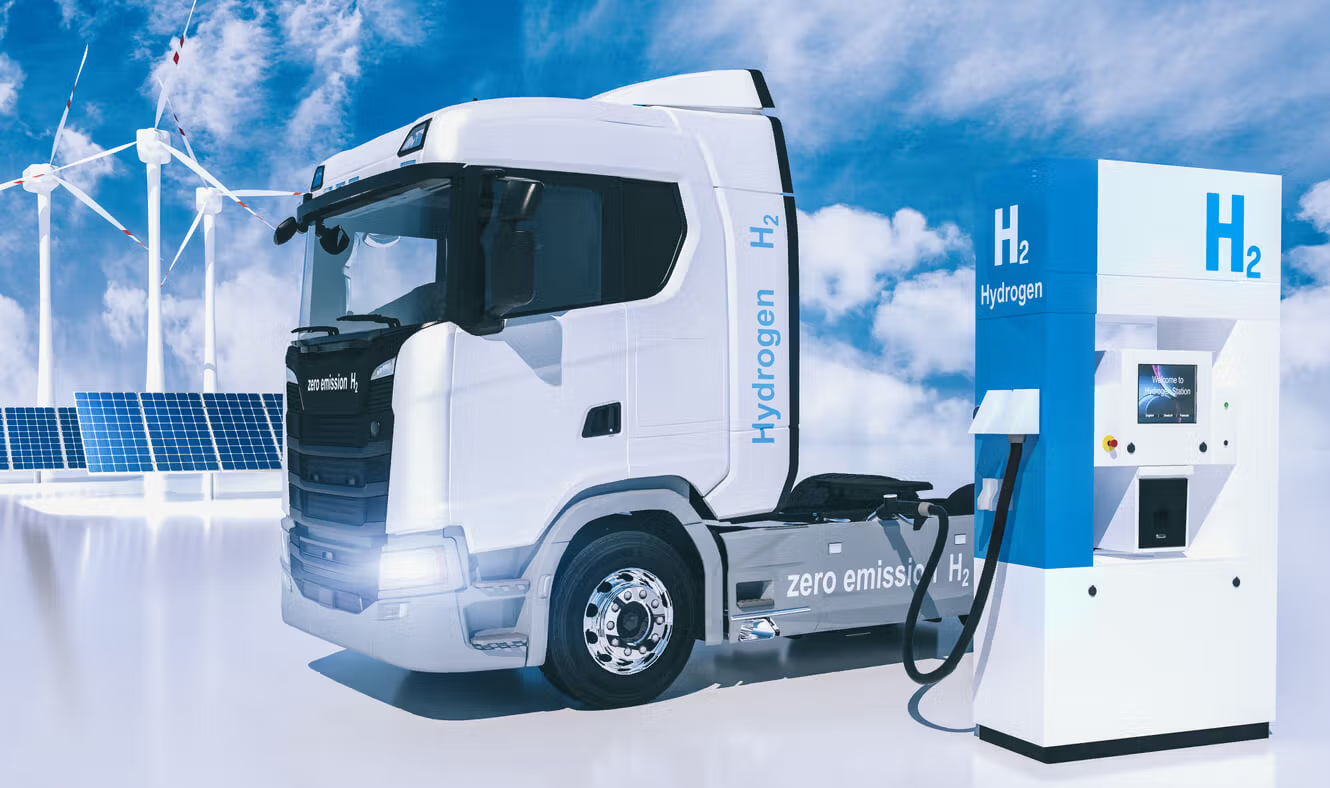
What Fuel Cells Actually do In Plain Language? Since my IT background has trained me to despise vague technical buzzwords without explanation, fuel cells convert hydrogen or natural gas into electricity through an electrochemical reaction. No combustion. Low emissions. Quiet. Modular. Capable of running continuously without waiting for the sun to shine or the wind to blow. That last part is critical. Solar and wind are intermittent. Fuel cells are baseload, meaning they produce power consistently, on demand. For a data centre that cannot afford downtime, that is not a nice-to-have. That is a non-negotiable.
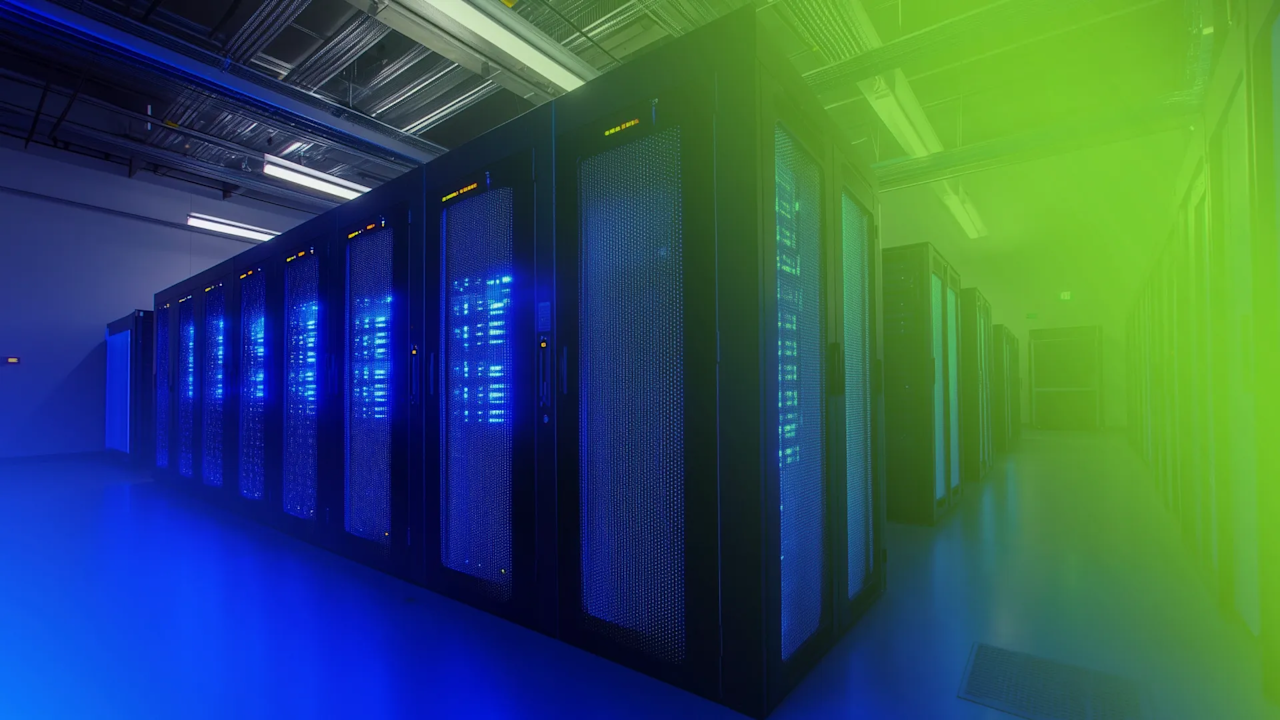
Here is the African angle nobody is writing. The continent is building data centres. Fast. In Nigeria, Kenya, South Africa, Egypt, and Rwanda, the continent’s digital infrastructure investment has accelerated significantly as cloud adoption, fintech, and AI services demand local compute capacity. Every one of those data centres faces the same foundational question: where does the reliable power come from?
The honest answer right now is: diesel generators as primary backup, unreliable national grid as the optimistic scenario. That is expensive, polluting, and operationally fragile. I’ve seen it firsthand. Fuel cell technology deployed at scale, priced competitively, and structured for distributed installation is exactly what African data centre operators need. Not as an import story. As a technology transfer and local deployment story. The deals being signed in Connecticut today are the proof-of-concept for what needs to happen in Abuja, Accra, and Addis Ababa within this decade.
If you’re watching markets, both FCEL and Bloom Energy are high-beta, high-volatility names. FCEL carries a beta of 3.7 and has posted swings of 22% down and 32% up within recent weeks alone. These are not stocks for light hands or short attention spans, according to 247wallst. But the sector thesis on-site clean power for AI infrastructure is real, durable, and still in early innings. The noise on any given Friday doesn’t change that.
The Bottom Line is Two fuel cell stocks split violently on the same day, and the financial press wrote about which one won. I’m more interested in what they’re both pointing toward: a world where critical infrastructure can no longer afford to depend on a grid that wasn’t built for this moment. Africa knows that feeling intimately. The opportunity now is whether we position ourselves to deploy these solutions or simply watch the press releases from a distance. The power question isn’t coming. It’s already here. we’re looking closely.