

















If you’ve never heard of Vertiv, you’ve still depended on them every single day without knowing it. That’s how critical infrastructure works; it only makes headlines when it fails.
Morocco’s Ministry of Digital Transition and Administrative Reform has signed a memorandum of understanding with Vertiv, a global provider of critical digital infrastructure, providing power and cooling solutions for data centres, communication networks and industrial applications. The agreement establishes a framework to advance collaboration on digital infrastructure, cloud computing, AI, and the development of sovereign data centres, as well as the electrical power and cooling systems that keep those data centres running.
The deal was signed by Morocco’s Minister of Digital Transition, Amal El Fallah Seghrouchni and Vertiv Africa Managing Director Wojtek Piorko. Under the agreement, the two sides will exchange technical expertise, run joint studies, and identify strategic infrastructure projects tailored to Morocco’s evolving digital needs.
Seghrouchni described digital infrastructure as an essential pillar of the Kingdom’s technological sovereignty and a decisive lever for AI development, innovation, and modernising public services. She tied the partnership directly to Digital Morocco 2030, the “AI Made in Morocco” roadmap, and the national cloud roadmap running through 2030, all under royal directive.
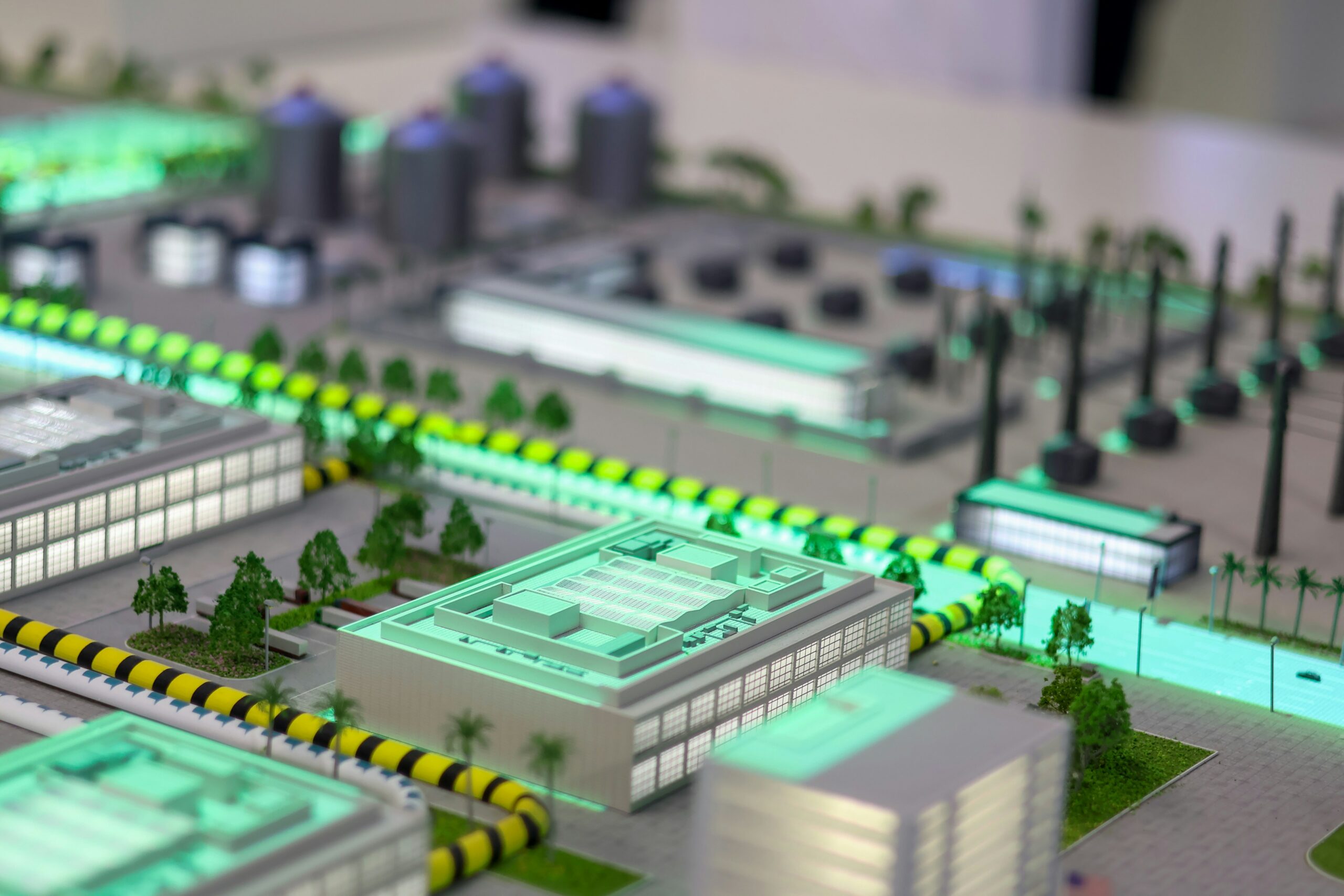
Here’s the number that actually matters, buried near the bottom of the announcement: the partnership is set to advance discussions on a 50MW sovereign data centre in Rabat, designed to strengthen Morocco’s sovereign cloud capabilities and support digital public services, AI, high-performance computing, and cybersecurity.
Everyone gets excited about AI and sovereign clouds. Almost nobody gets excited about switchgear, thermal management, and uninterruptible power supply design. But here’s the truth from someone who’s spent a career keeping remote and industrial systems alive: a data centre is not defined by its servers. It’s defined by whether the power stays clean and the heat gets removed.
Vertiv doesn’t build clouds. Vertiv builds the physical plumbing power, cooling, racks, monitoring that makes a cloud possible in the first place. A 50MW facility is not a small ask. To put that in perspective, that’s roughly the electricity draw of a mid-sized industrial town, running continuously, with zero tolerance for downtime. You don’t build that without serious power infrastructure planning, and that’s precisely Vertiv’s lane.
So when Morocco brings in Vertiv at the MoU stage before ground is even broken, it tells me the government understands something a lot of digital sovereignty announcements skip entirely: sovereignty isn’t just about who owns the data. It’s about who controls the power and cooling that keeps the data alive.
Morocco isn’t operating in isolation here. This MoU lands in the middle of a wave of digital transformation deals across the continent in the first half of 2026. Ethiopian state-owned Ethio Telecom just partnered with Huawei to accelerate digital transformation, EACO and the Smart Africa Secretariat signed on to push a single African digital market by 2030, and even Namibia and Russia have been exploring digital collaboration.
That’s the pattern I keep flagging in this series: the AI infrastructure race in Africa isn’t being led by African governments building capacity from scratch. It’s being led by foreign vendors Cisco, Vertiv, Huawei, and Microsoft filling seats and signing frameworks while governments play catch-up on policy. Morocco, to its credit, looks like it’s moving faster than most. North Africa already has a real head start on data centre capacity compared to most of Sub-Saharan Africa, and this deal widens that gap further.
Kenya and Nigeria have both talked about sovereign cloud ambitions. Neither has a Vertiv-scale power-and-cooling partnership on the table yet, as far as public record shows. If Morocco’s 50MW Rabat facility breaks ground before either of those markets locks in comparable infrastructure partners, Morocco consolidates its position as North Africa’s AI compute hub while everyone else is still drafting policy documents.
Honestly, MoUs are cheap. I’ve watched enough of these get signed with royal fanfare and then quietly stall at the feasibility-study stage. “Advance discussions” on a 50MW data centre is not a groundbreaking, not a signed EPC contract, not a committed capex figure. It’s a framework for a future framework.
And “technological sovereignty” is doing a lot of heavy lifting in that quote. True sovereignty means Morocco controls the operations, the staffing, and the long-term maintenance of that facility, not just the branding on the MoU. If Vertiv builds it, staffs the specialised engineering roles with expatriate talent, and Morocco is left running the marketing copy, that’s not sovereignty. That’s outsourcing with better PR.
This is one of the smarter infrastructure moves I’ve seen out of Africa this year, because Morocco went straight to the physical layer instead of just announcing another AI strategy document. If the Rabat facility breaks ground within the next 18 months, Morocco locks in a real edge as North Africa’s sovereign compute hub, and I’d bet it does, given how aggressively Digital Morocco 2030 is being pushed from the top. But watch the fine print on who’s actually running that facility five years from now. That’s where “sovereignty” either becomes real or quietly evaporates.