












Let me tell you something about corporate speak. After years of reading IT vendor proposals, infrastructure RFPs, and energy company procurement documents, I’ve developed a very specific skill: translating beautiful, vague language into actual intentions.
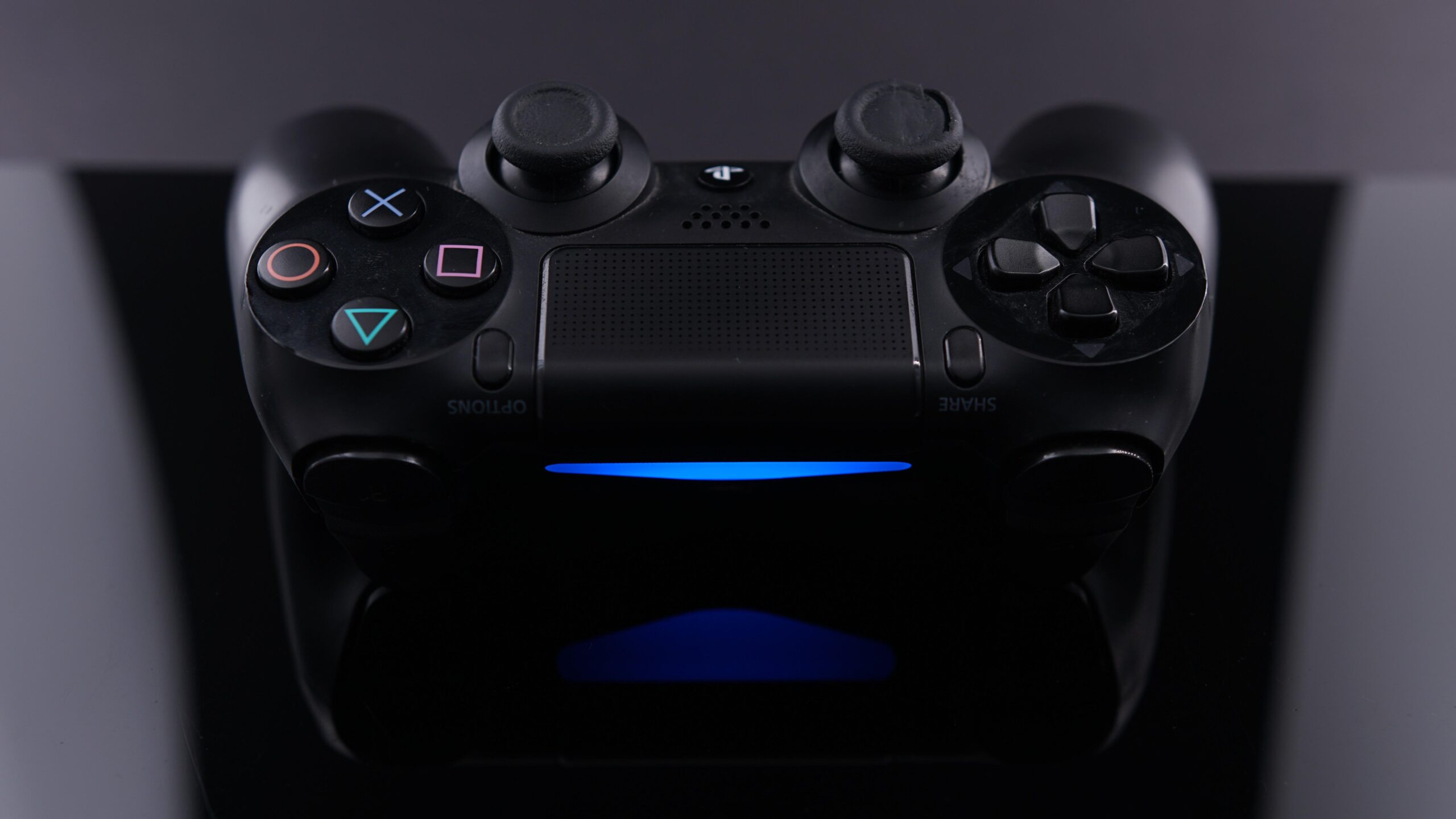
So when PlayStation CEO Hideaki Nishino sat down with Japanese publication Famitsu and said Sony plans to leverage technologies that can be used in various forms and locations for future consoles, I didn’t blink twice. That’s engineer-to-executive translation for: we’re building a handheld.
Sony just watched Nintendo sell the Switch 2 so fast that it became the second-fastest-selling gaming hardware in US history. Meanwhile, PlayStation is sitting in the living room like that one colleague who hasn’t figured out that remote work changed the game permanently.
“Pick Up and Play” Nishino actually said “pick up and play” is now the most important quality for consoles. Which is interesting, because Nintendo has been saying exactly that since 2017. Better late than never, I suppose. Sony tried this before. The PSP was brilliant, sold 70 million units globally. Then came the PS Vita, decent hardware, zero game support, discontinued in 2019 with around 15 million units moved. The PlayStation Portal followed, but that’s not really a handheld; it’s essentially a very expensive remote control for your PS5. Streaming. Cloud-dependent. Try using that on a generator in Yaoundé.
Although this is largely Western news, why does it actually matter to Africa? Here’s what the gaming press in Europe and America consistently misses: the form factor question is not the same conversation in Africa as it is in the West. In Cameroon, Nigeria, Ghana, Kenya and most of Africa. The living room TV setup with a console plugged in and stable broadband? That’s aspirational for a significant portion of gamers, and not only gamers, but it has also become a norm for most young people who can afford internet luxury. Literally every young adult who’s just starting life has that attached to their entertainment setup. However, the reality for millions of young Africans who love gaming is a smartphone, a feature phone before that, or occasional access to a shared screen.
But a dedicated handheld something powerful, offline-capable, built for portable play? That hits differently. That’s the device that fits a Lagos commute, a Douala generator-hour, a Nairobi university hostel. The Nintendo DS and PSP had massive grey market penetration across the continent for exactly this reason. You didn’t need a TV. You didn’t need broadband. You needed the device and a cartridge.
If Sony launches a PS6 handheld in 2027 and insiders are already claiming they’ll release three PS6 devices, including a handheld ranging between $350–$1000, the price point will determine whether Africa gets a seat at the table or watches from outside the window again. Three devices. One Year. pose one very Important Question down the line.
According to leaks from a reliable source called Moore’s Law is Dead, Sony is reportedly planning to drop a budget console, a main console, AND a handheld all under the PS6 family, potentially in 2027. From an infrastructure perspective, this is ambitious. Launching three hardware SKUs simultaneously is the kind of supply chain operation that makes engineers sweat. Sony will be managing component allocation, manufacturing timelines, software compatibility, and retail distribution across three distinct form factors, all while competing with Nintendo’s established handheld ecosystem. The smarter move, frankly, would be a phased rollout. But Sony has never been accused of taking the conservative engineering path when there’s a splash to make.
What I Think Happens Next is that Sony is being squeezed from multiple directions. Xbox has essentially retreated into being a game pass service. Nintendo owns the handheld lane. And PlayStation’s core identity, the big screen, cinematic, living room experience, is increasingly a demographic play for people above 30 with stable income and stable electricity. The CEO’s comments signal that Sony knows this. The question isn’t whether they build the handheld. The question is whether they build it for the world or just for the same audience they’ve always had.
Africa’s gaming market is growing fast, and its gamers are hungry. If Sony prices that handheld sensibly and builds it for offline-first use, they won’t just compete with Nintendo. They’ll open a continent. If they don’t, well, Nintendo already has the number. What do you think?