

















Before we dive into the main topic, let’s review why small portable power stations matter in Africa’s growing Digital Economy in the first place. Now Energy remains one of Africa’s biggest development challenges, but at the same time, the continent is experiencing rapid growth in digital entrepreneurship, remote work, renewable energy adoption, and technology-driven businesses. This creates a new demand: reliable, flexible, and portable electricity.
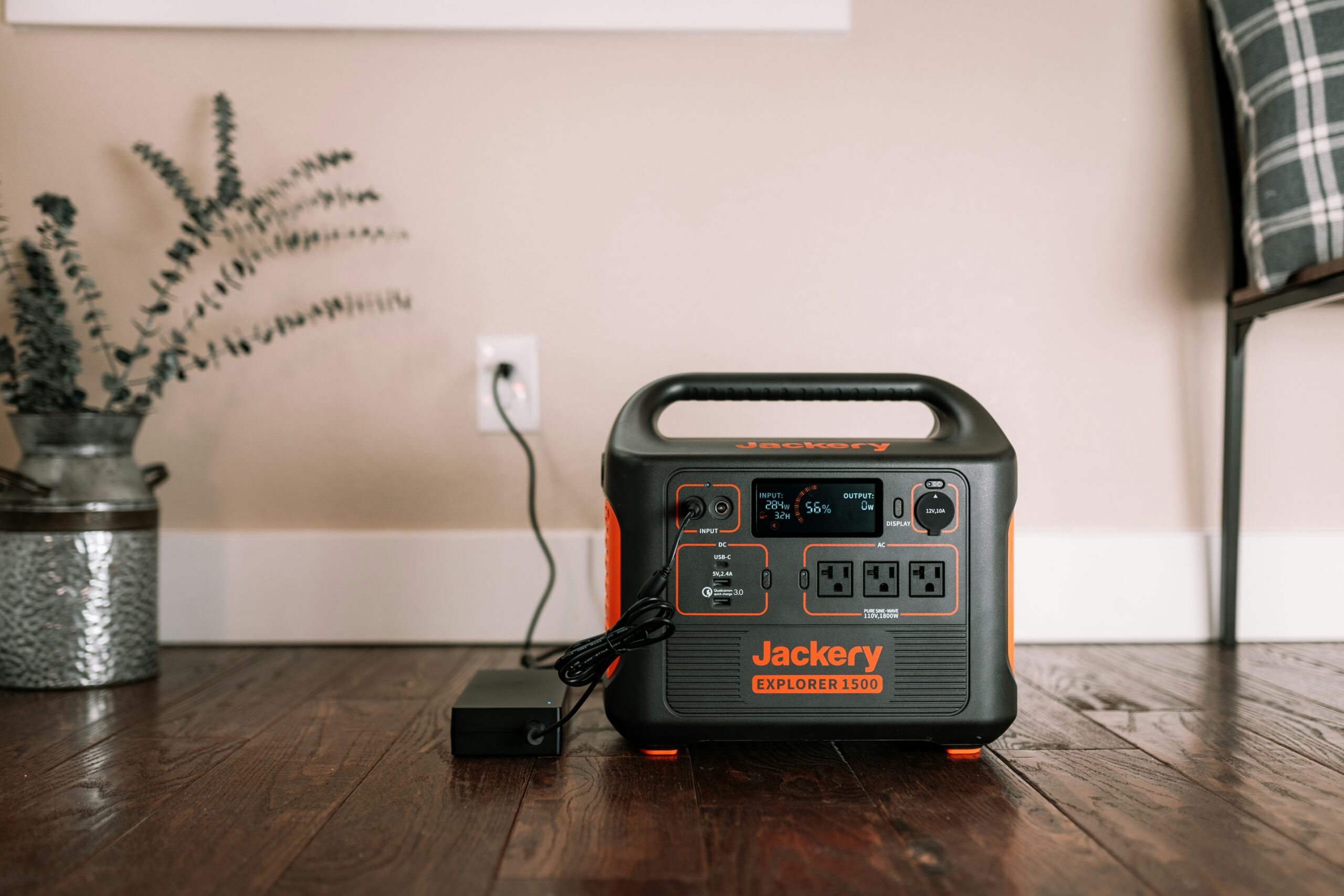
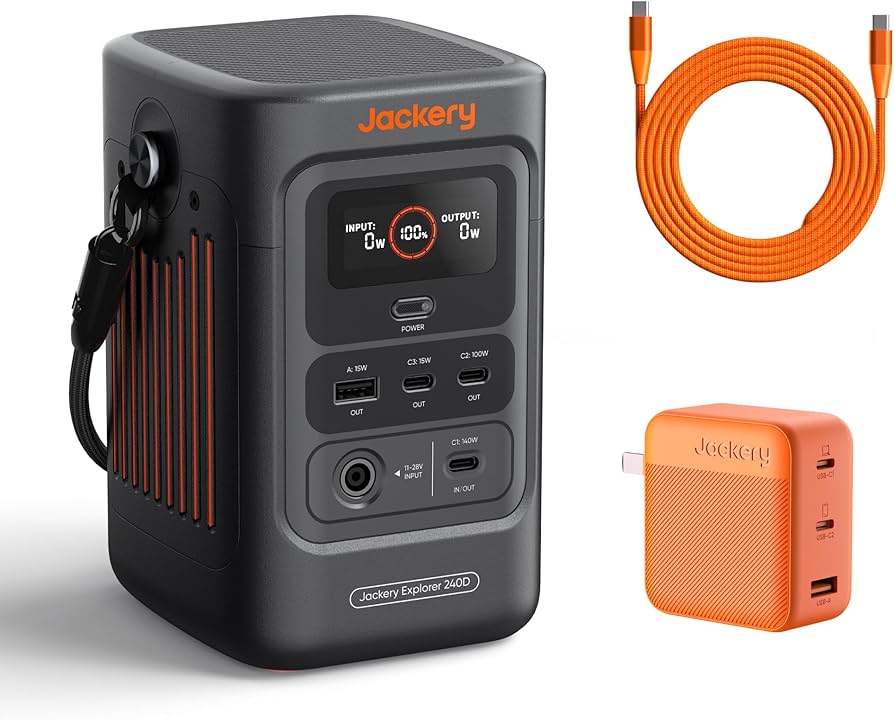
While traditional power systems focus on homes, offices, and industrial facilities, a new category of energy technology is emerging: compact portable power stations that allow people to carry electricity wherever they go. One example gaining attention globally is the Jackery Explorer 240D, a small portable power station designed for users who need mobile energy for activities such as outdoor work, travel, photography, content creation, and emergencies. TechRadar recently highlighted the device as an ultra-portable option, emphasising its compact design and built-in cable system that improves convenience for users constantly moving between locations.
But beyond the product itself, the bigger conversation is about what portable energy technology means for Africa. This is to say Africa’s energy challenge has met a mobile workforce, most likely a companion.
Africa is home to one of the fastest-growing populations of digital workers, entrepreneurs, creators, and technology professionals. From software developers working remotely to content creators producing videos from different locations, access to dependable electricity is becoming directly linked to productivity. Power interruptions remain a common challenge across many African markets, affecting businesses, households, and public services.
For a small business owner running digital operations, a photographer covering an event, a journalist working in the field, or a startup founder managing operations outside traditional office spaces, mobility matters. Portable power stations represent a shift from the idea that electricity must always come from a fixed location. Instead, energy becomes something people can carry.
Now lets talk about the Jackery Explorer 240D: A Small Device with Bigger Energy Conversion. At the heart of the Explorer 240D is a 256Wh (80,000mAh) Lithium Iron Phosphate (LiFePO₄) battery, offering improved durability, safety, and longer battery life compared with traditional battery technologies. The unit delivers up to 200W DC output, making it suitable for powering everyday electronics such as laptops, smartphones, tablets, cameras, drones, and other digital devices. You can buy this on Amazon https://amzn.to/3QX4Lhe, and we get a commission
Its compact design is one of its biggest advantages. Weighing around 2.2kg (under 5 lbs), it is built for mobility, easily fitting into a backpack, vehicle, or travel setup without the bulk associated with larger power stations.
Designed for Today’s Connected World, the Explorer 240D features multiple charging options, including three USB-C ports and one USB-A port, allowing users to charge multiple devices simultaneously. One USB-C port supports high-speed charging for compatible laptops and high-performance devices. For professionals, creators, and entrepreneurs, this means fewer interruptions. A photographer can recharge camera equipment, a remote worker can keep a laptop powered, and a field technician can maintain communication tools even when electricity is unavailable.
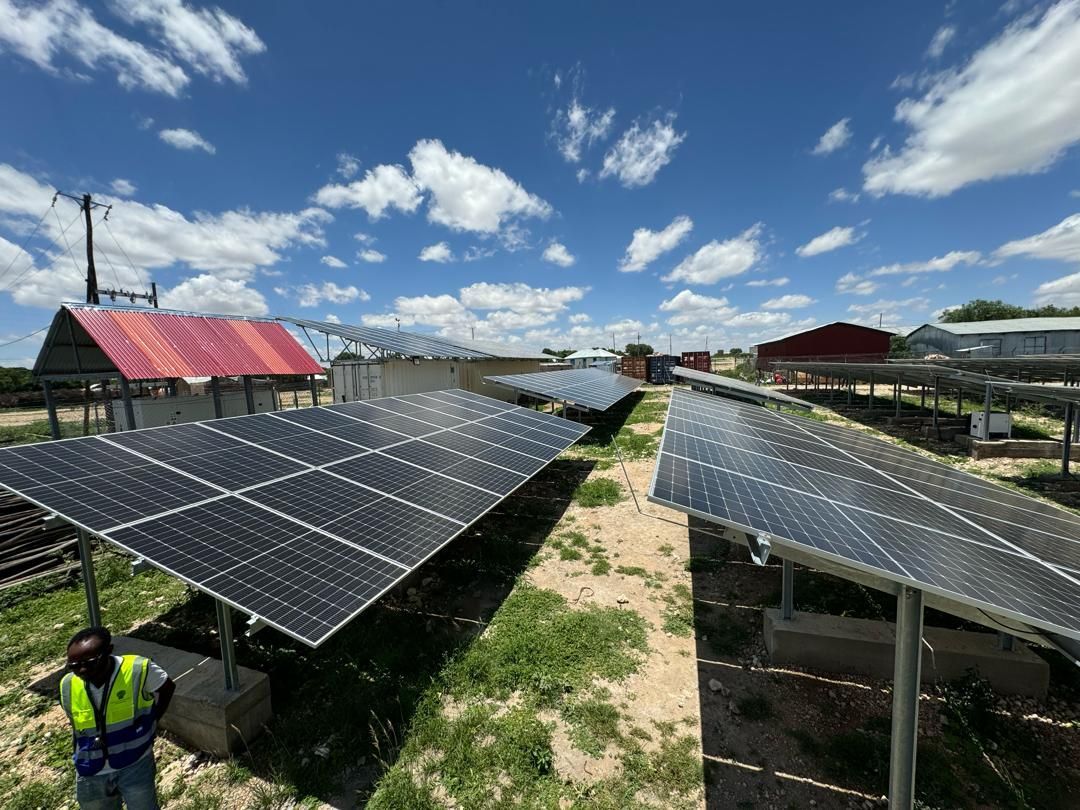
Built for Off-Grid Possibilities, the Explorer 240D also supports solar charging, creating opportunities for renewable energy use during outdoor activities or emergency situations. When paired with solar panels, it becomes part of a cleaner, decentralised energy solution, an area with growing importance as communities and businesses explore alternative power options.
Note: The Jackery Explorer 240D is not designed to replace a home generator or provide whole-house electricity. Its strength lies in portability. The device sits between a traditional power bank and larger portable energy systems. According to TechRadar’s review, its key advantage is its compact form factor, essential charging ports, and integrated cable that doubles as a carrying feature. However, it does not include an AC outlet for powering larger appliances, making it more suitable for electronics and smaller devices.
For African users, this distinction is important. A student looking to keep a laptop powered during outages, a freelancer working from a café or remote location, or a field professional needing reliable charging for phones, cameras, and communication devices could find value in this type of technology. However, households looking to power refrigerators, televisions, or multiple appliances would require larger systems.
Why This Matters for Africa’s Renewable Energy Future is that The growth of portable power technology connects directly with Africa’s renewable energy opportunity. Many African countries have abundant solar resources, and combining portable batteries with solar charging creates opportunities for decentralized energy solutions. Instead of depending only on large national electricity infrastructure, communities and individuals can gradually adopt smaller renewable systems that meet specific needs.
This approach aligns with a broader global movement toward distributed energy where electricity generation becomes more localized, flexible, and user-controlled. For Africa, where remote communities and underserved regions often face infrastructure challenges, decentralized energy could become a major part of future development.
These comes with huge Opportunities for African Entrepreneurs because beyond personal use, African entrepreneurs can build businesses around: Solar charging services
Portable energy rental solutions
Mobile work stations
Emergency power services
Renewable energy distribution
Off-grid technology solutions
Imagine a mobile technology hub powered by solar batteries supporting rural entrepreneurs, students, or small businesses. The opportunity is not only selling hardware; it is building energy ecosystems around these technologies. The Growing Importance of Energy Independence, The rise of portable power stations reflects a wider change in how people think about electricity. Historically, energy access was viewed as something controlled by utilities and large infrastructure projects. Today, technology is giving individuals and businesses more control.
This Similar to how smartphones reduced dependence on traditional communication infrastructure, portable energy solutions could reduce dependence on traditional electricity access models. For Africa’s growing startup ecosystem, energy independence could become a competitive advantage.
Final Thoughts: Small Technologies Can Create Big Change. The Jackery Explorer 240D may appear to be a small gadget, but it represents a much bigger technology movement. Africa’s future will require energy solutions that are affordable, scalable, flexible, and adapted to local realities.
Portable power stations alone will not solve Africa’s energy challenges, but they represent an important piece of the puzzle especially for a continent where millions of people are becoming increasingly mobile, digitally connected, and entrepreneurial. The future of energy may not only be about building bigger power plants. It may also be about giving people the ability to carry power wherever innovation takes them.