























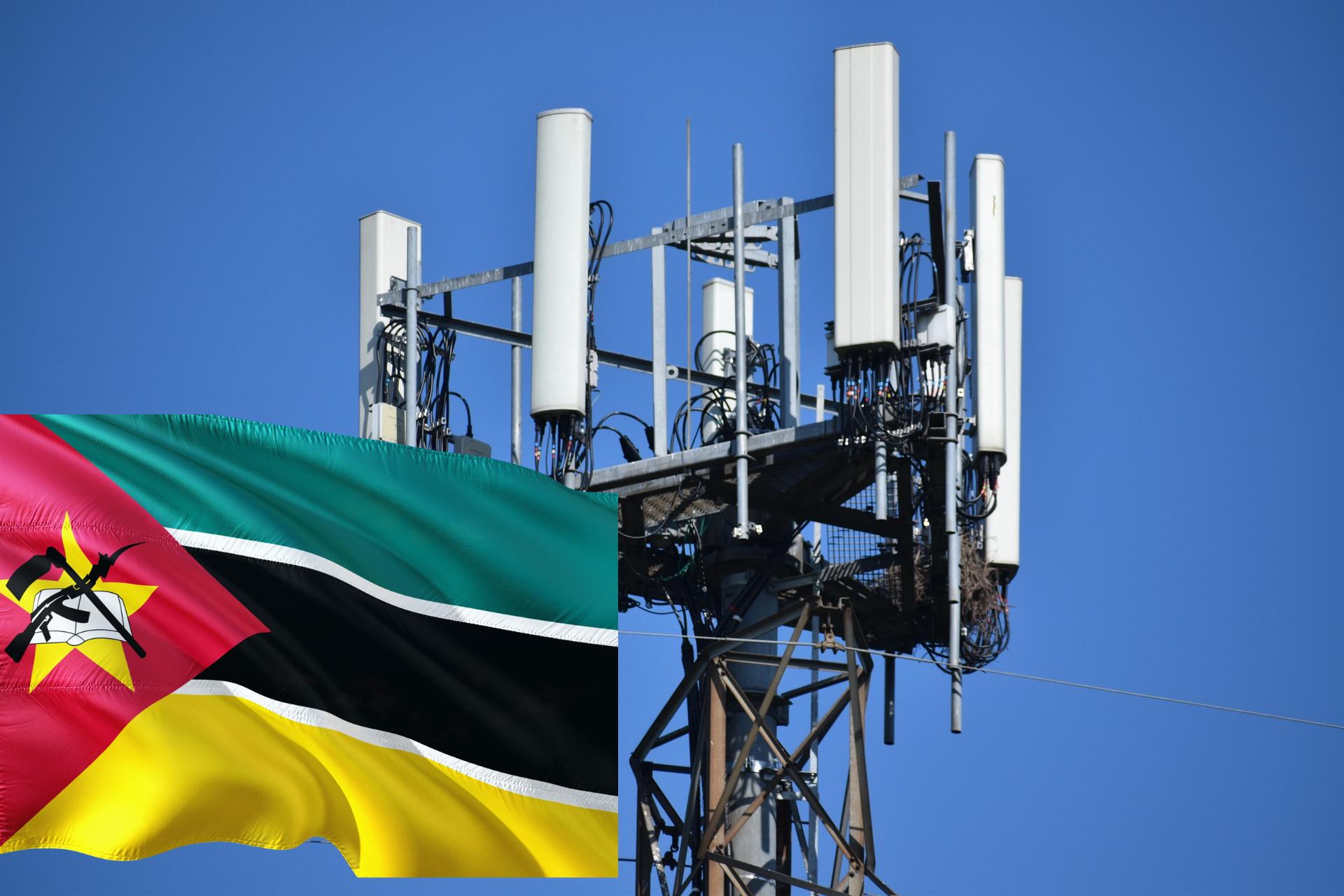
Africa’s digital future is being shaped not only by software companies and startups but also by the infrastructure that powers innovation. Mozambique is positioning itself as one of the countries looking to accelerate this transformation with the rollout of 5G technology and a broader vision to become a digital hub in Southern Africa.
The country’s move into the next generation of mobile connectivity represents more than an upgrade from 4G. It signals a strategic push to build the foundation for a modern digital economy, one where businesses, governments, entrepreneurs, and communities can access faster, more reliable, and more advanced technologies.
Mozambique’s communications regulator, the Instituto Nacional de Comunicações de Moçambique (INCM), has been advancing the process for implementing 5G by opening spectrum allocation procedures involving the country’s major telecom operators, including Tmcel, Vodacom Mozambique, and Movitel. The selected spectrum bands are designed to balance nationwide coverage, network capacity, and service quality.
But here is why Mozambique’s 5G rollout matters
For many people, 5G is often viewed simply as faster smartphone internet. However, the real impact of 5G goes far beyond download speeds. The technology is expected to support a new generation of digital services, including artificial intelligence applications, Internet of Things (IoT) solutions, smart infrastructure, automated industries, advanced healthcare services, and connected transportation systems.
For African economies, this matters because connectivity is becoming a major driver of competitiveness. Countries with strong digital infrastructure are better positioned to attract technology investments, support startups, enable remote work opportunities, and build locally developed digital solutions. Mozambique’s ambition is therefore not only about connecting people it is about creating the environment where digital businesses can grow.
A potential boost for African startups and entrepreneurs: One of the biggest opportunities from improved connectivity is the growth of Africa’s innovation ecosystem. Startups building solutions in areas such as fintech, agriculture technology, education technology, logistics, and artificial intelligence require reliable infrastructure to scale.
With stronger networks, entrepreneurs can develop solutions that serve both local and international markets. For example: Farmers can benefit from smart agriculture platforms using real-time data.
Small businesses can access cloud-based tools and digital marketplaces.
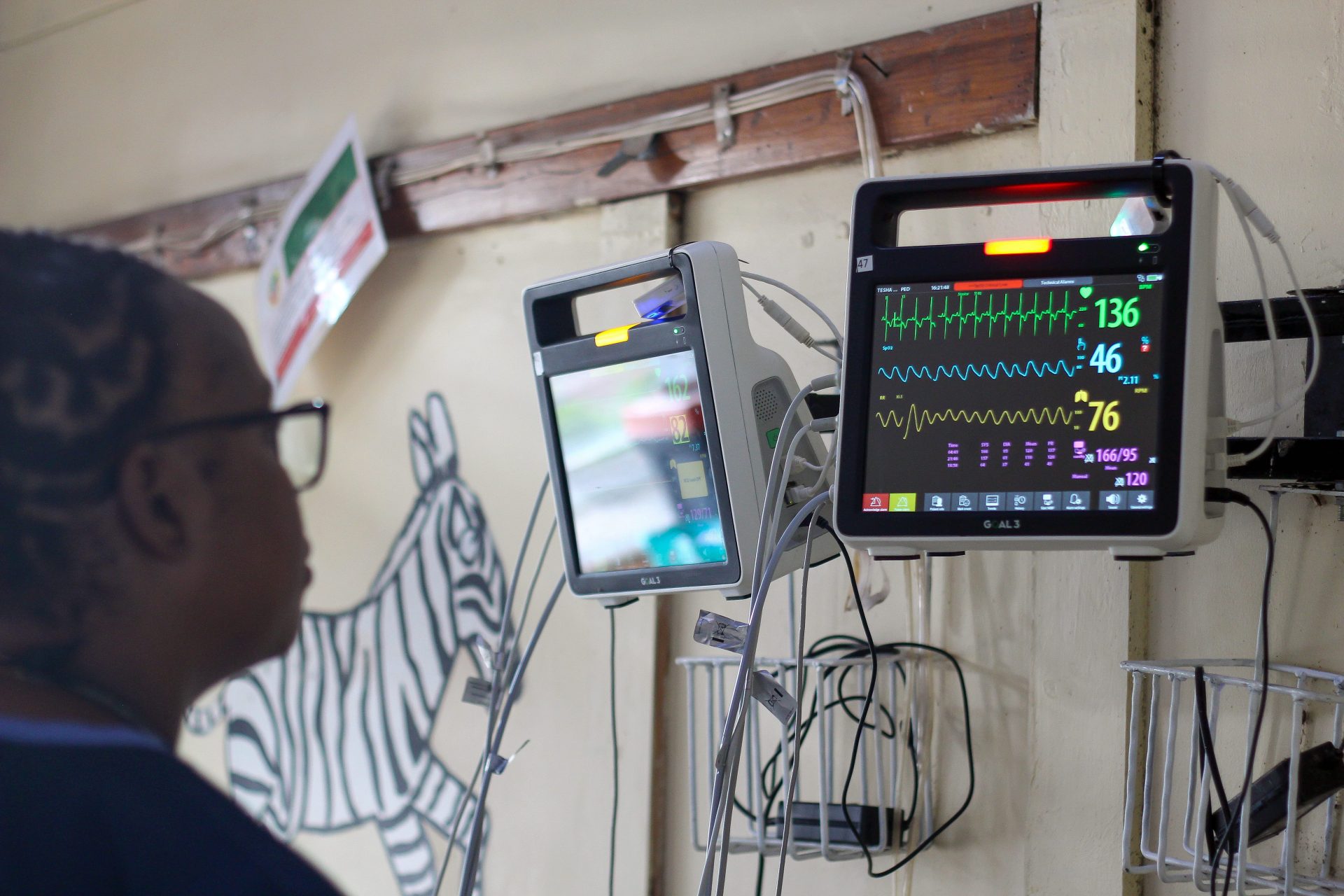
Healthcare providers can expand telemedicine services.
Developers can build applications that require high-speed, low-latency networks.
The future African startup landscape will not only depend on ideas; it will depend on whether countries have the infrastructure to support those ideas.
Digital infrastructure as an economic strategy in Mozambique’s move reflects a wider African trend where governments are increasingly recognising that digital transformation is a key economic pillar. The country has been linking connectivity expansion with broader goals around inclusion, economic development, and reducing the digital divide between urban and rural communities. This approach is important because Africa’s digital transformation cannot happen if only major cities benefit from advanced technology.
The next phase of growth will depend on extending connectivity to smaller communities, businesses, schools, and industries outside traditional economic centres. Mozambique’s ambition to become a digital hub places it within a growing regional competition.
Across Africa, countries are investing heavily in digital infrastructure as they compete for technology investment, innovation talent, and digital businesses.
The countries that succeed will likely be those that combine:
reliable connectivity,
supportive technology policies,
skilled digital talent,
affordable access,
and strong innovation ecosystems.
5G alone will not create a digital economy, but it can become an important foundation.
The challenges ahead
While the opportunities are significant, successful 5G deployment will require more than installing network equipment.
Challenges such as affordability, electricity reliability, cybersecurity, digital skills, and rural accessibility will determine whether the benefits reach the wider population.
A connected Africa must also be a digitally skilled Africa.
Without investment in education and workforce development, advanced networks may remain underutilized.
Africa’s digital future is being built now
Mozambique’s 5G journey represents a larger story happening across the continent — Africa is moving from being primarily a consumer of technology to becoming a place where digital innovation can be created, tested, and scaled.
The countries that invest early in digital infrastructure will have an advantage in shaping the next generation of industries.
The race for Africa’s digital future is not only about who has the fastest internet.
It is about who builds the strongest foundation for innovation, entrepreneurship, and economic transformation.