


























Back when I was doing IT support, there was a running joke on the helpdesk: “one day they’ll replace us with a chatbot.” We said it half-laughing, half-nervously, usually right after resetting someone’s password for the third time that week. Nobody actually believed it. Then automation started eating the easy tickets password resets, software installs, basic troubleshooting and suddenly the joke wasn’t so funny.
What we didn’t see coming was that the job didn’t disappear. It changed shape. The people who survived weren’t the ones who typed fastest. They were the ones who could do the things a script couldn’t: read a frustrated user, diagnose something weird nobody had seen before, make a judgment call. As an author of this article, I think about that a lot when I hear people ask, in that slightly panicked tone, “Will AI take my job?” The real question, asked properly
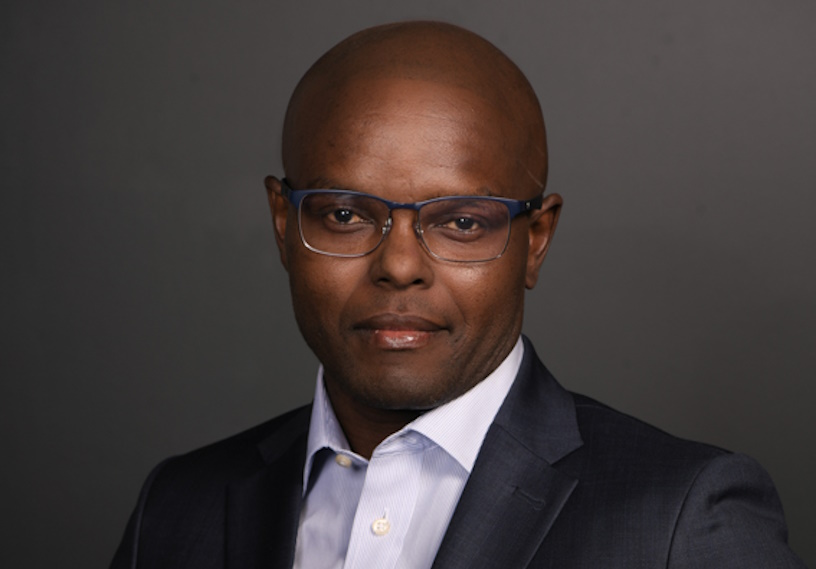
That was more or less the question CNBC Africa put to Dr Mark Nasila, Chief Data and Analytics Officer at FNB’s Chief Risk Office, at the CNBC Africa AI Summit 2026 in Sandton. Nasila’s answer, distilled from his public writing and interviews over the past couple of years, is consistent: AI won’t be a job-eating monster so much as a job-rewriting editor. He argues that every industrial revolution has disrupted without necessarily producing a net loss of jobs; automation eliminates some roles and industries while creating others.
That framing matters, especially on this continent. Nasila’s been making the same case for years: that AI-driven job creation is a real opportunity, but only if new industries are actually built around it, and industries need people to build them. That last part is the catch everyone skips past. The number everyone quotes, and nobody interrogates
At the AI Summit, Nasila leaned on a figure he’s cited before: traditional AI is projected to create $16 trillion in value globally by 2030, with Africa positioned to capture roughly $1.2 trillion of that, provided the continent gets past barriers like misaligned strategy, cultural friction, and messy data.
$1.2 trillion sounds fantastic on a slide. Say it out loud at a summit in Sandton, and people nod. But here’s my honest pushback: “provided the region overcomes barriers” is doing an enormous amount of quiet work in that sentence. I’ve sat in enough digital transformation planning meetings in oil and gas, in telecom, in facility tech to know that “provided we fix our strategy and our data” is where most ambitious numbers go to die. Data complexity isn’t a footnote. In my own work building the coordination layer for Mbineko, our forest and environmental-monitoring platform with Orange Cameroon, half the actual engineering effort wasn’t the LiDAR or the IoT sensors; it was getting inconsistent, patchy field data into a state where any model could trust it. Multiply that mess across banking, healthcare, and manufacturing continent-wide, and the $1.2 trillion projection starts to look less like a forecast and more like a best-case scenario contingent on things Africa has historically struggled to execute at scale.
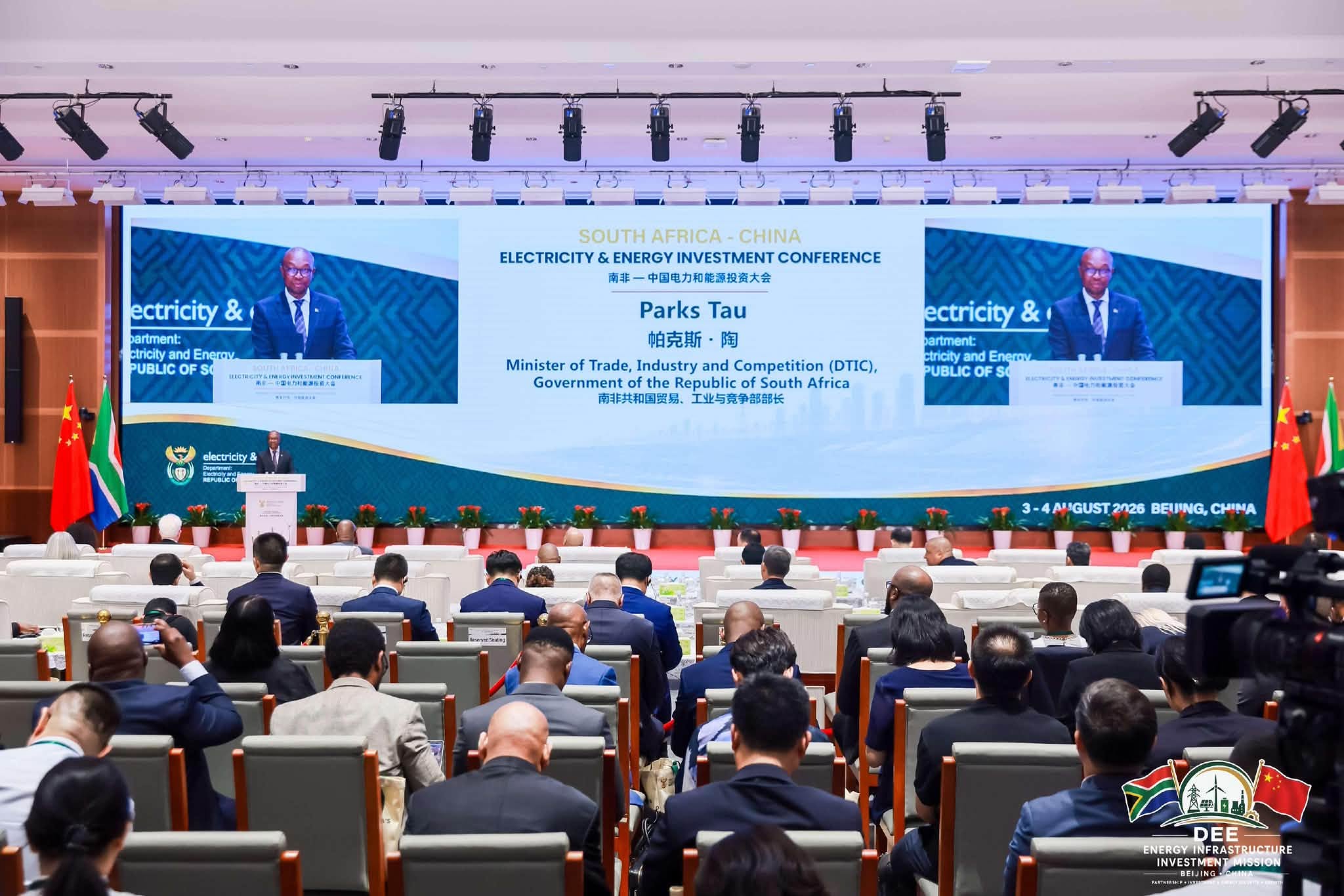
Nasila’s broader argument that AI won’t eliminate work so much as require workers to develop new skills lines up with what South Africa’s own draft National AI Policy for 2026 is trying to legislate into existence. The policy’s stated vision is AI for inclusive economic growth, job creation, cost reduction, and a developing Africa, built on pillars like STEAM-focused education, community AI centres, and regulatory sandboxes for startups.
That’s the policy layer catching up to what people like Nasila have been saying for years: the danger isn’t AI showing up; it’s countries and companies not building the retraining pipelines fast enough to absorb the shift. He’s been direct about this: organisations are scrambling to redefine processes and job descriptions while employees are still learning new tools and new ways of approaching daily work, in real time, without a manual. That’s not a hypothetical. That’s every helpdesk, every back-office ops team, every network operations centre on this continent right now.
At Origin Africa, we don’t think AI is coming for African jobs in some dramatic robots-in-the-factory way. I think it’s coming for the parts of jobs nobody enjoyed: the repetitive tickets, the manual reconciliations, the copy-paste reporting. What replaces those hours is either upskilled workers doing higher-value work, or a generation of people who never got retrained and got quietly squeezed out. Which outcome Africa gets isn’t an AI question. It’s a training-budget and policy-execution question, and right now most African institutions are moving slower on that than the technology itself is moving.
My bold prediction is that the $1.2 trillion figure will be technically achievable by 2030, but it’ll be captured disproportionately by the handful of African economies (South Africa, Kenya, Nigeria, Rwanda) that actually fund reskilling now, not by the continent as a uniform bloc. AI won’t redefine African jobs evenly. It’ll widen the gap between countries that treat “job redefinition” as an infrastructure project and countries that treat it as a conference talking point.