

















The Automotive industry in Africa is evolving. Quick fact to sit with for a second: in 2025, Morocco built more passenger cars than South Africa did, 493,004 units against South Africa’s roughly 330,000 in a country most people still associate with tagines and the Sahara, not assembly lines. Between them, Morocco and South Africa now account for more than 91% of everything Africa manufactures on four wheels. Everyone else on the continent is fighting over the remaining 9%. That’s the real starting point for any honest conversation about African car manufacturing. It’s not a continent-wide story yet. It’s two very different success stories, a scramble of ambitious challengers, and a wave of Chinese money that’s rewriting the map faster than most industry reports can keep up.
South Africa’s automotive sector isn’t new; it’s built on five decades of BMW at Rosslyn, Toyota at Prospecton, Ford at Silverton, and a supplier base of more than 500 companies feeding them. Toyota alone sold 148,124 vehicles in South Africa in 2025, its best year in 18 years, powered by locally assembled Hilux, Corolla Cross, and Fortuner models. Ford’s Silverton plant is now the sole global production site for the Ranger PHEV, exporting to Europe, Australia, and New Zealand. BMW’s Rosslyn plant is the only factory on earth making the X3 plug-in hybrid, shipping to 40-plus markets.
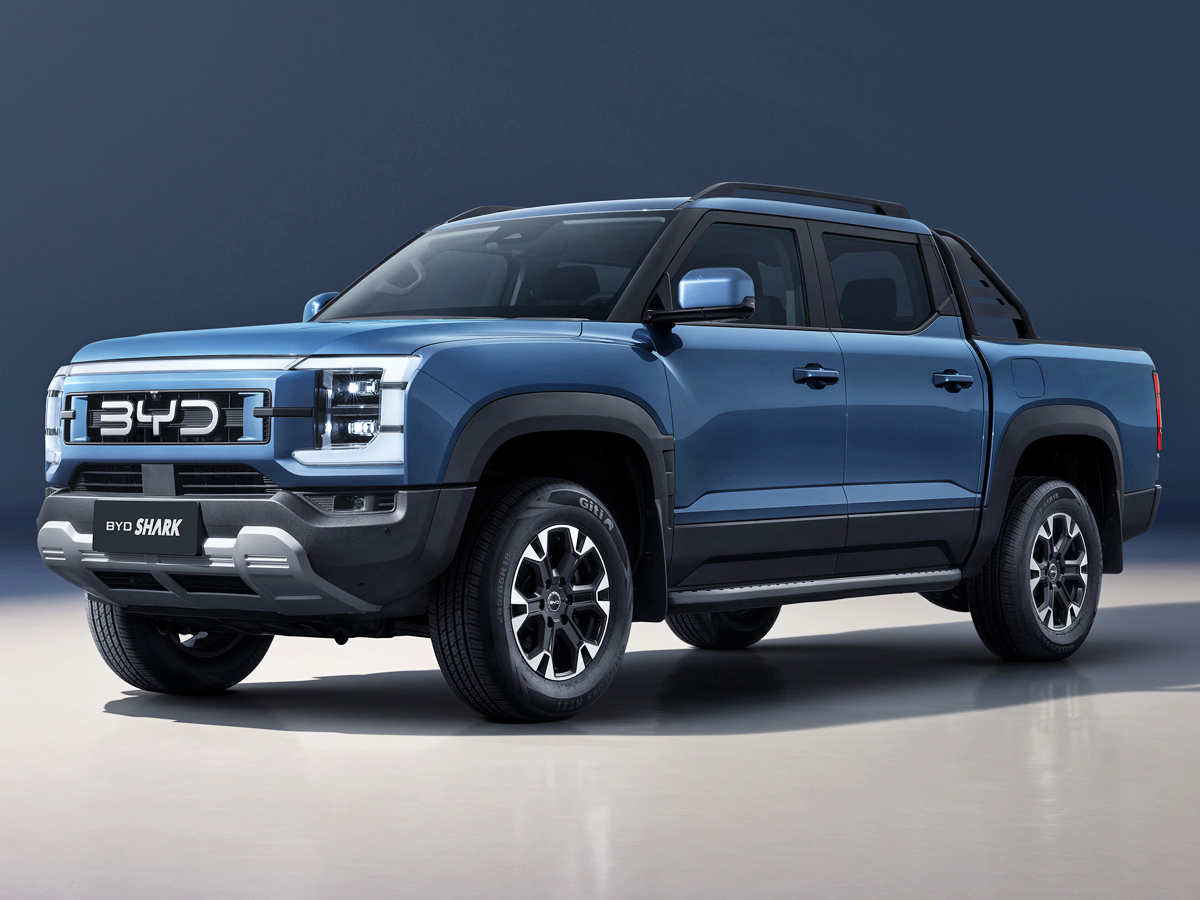
But watch what’s happening underneath that. In January 2026, Nissan agreed to sell its historic Rosslyn plant to Chery, the Chinese automaker, in a genuinely symbolic handover of one of Africa’s oldest production lines. And Chinese brands aren’t stopping there: Geely re-entered South Africa in October 2025 after a 14-year absence, targeting 20,000 sales a year by 2028, while Dongfeng, BYD, and Leapmotor have all launched showrooms in the same twelve-month window. South Africa’s own government is responding with real money, a 150% first-year tax deduction for EV and hydrogen vehicle production investment, live through 2036.
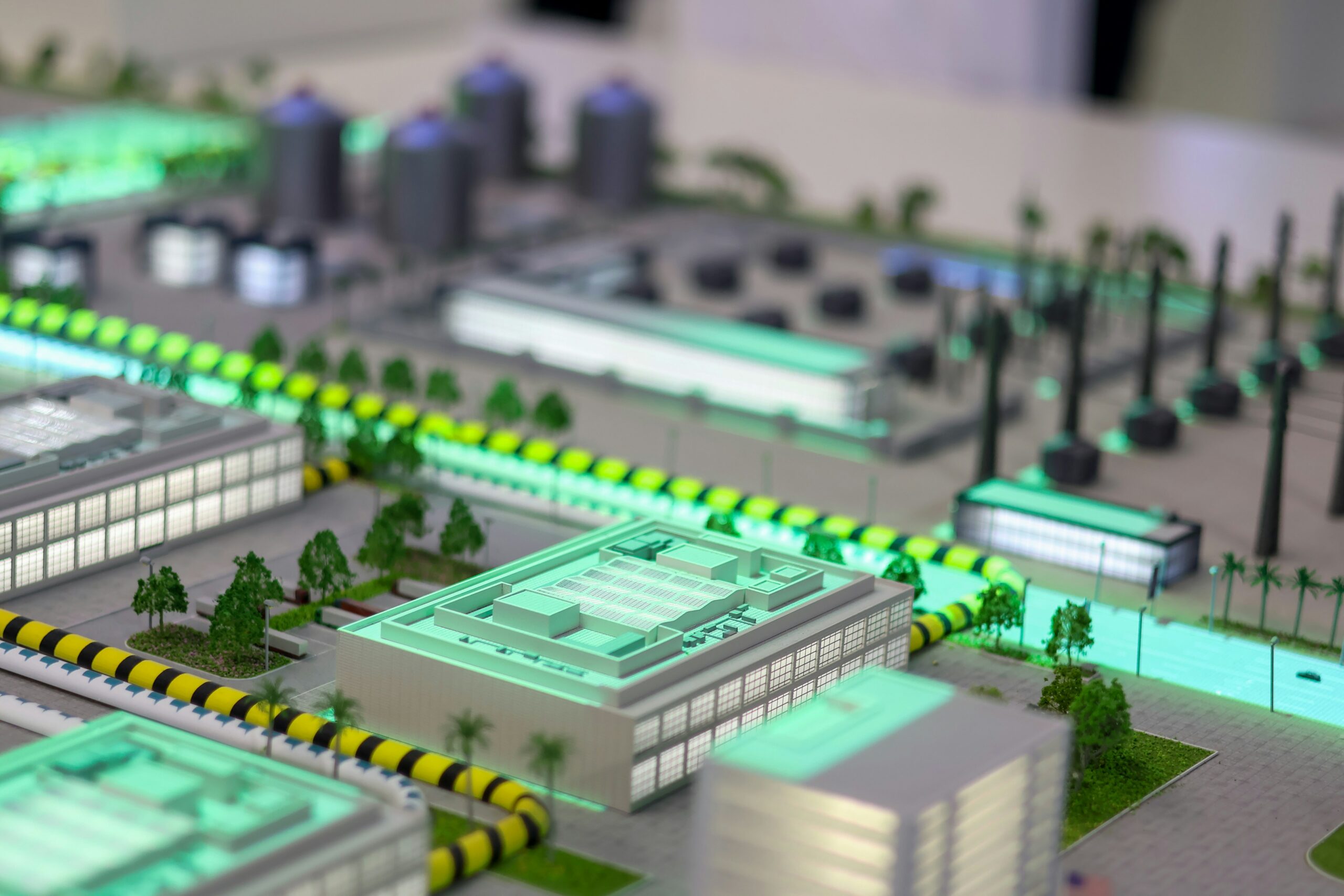
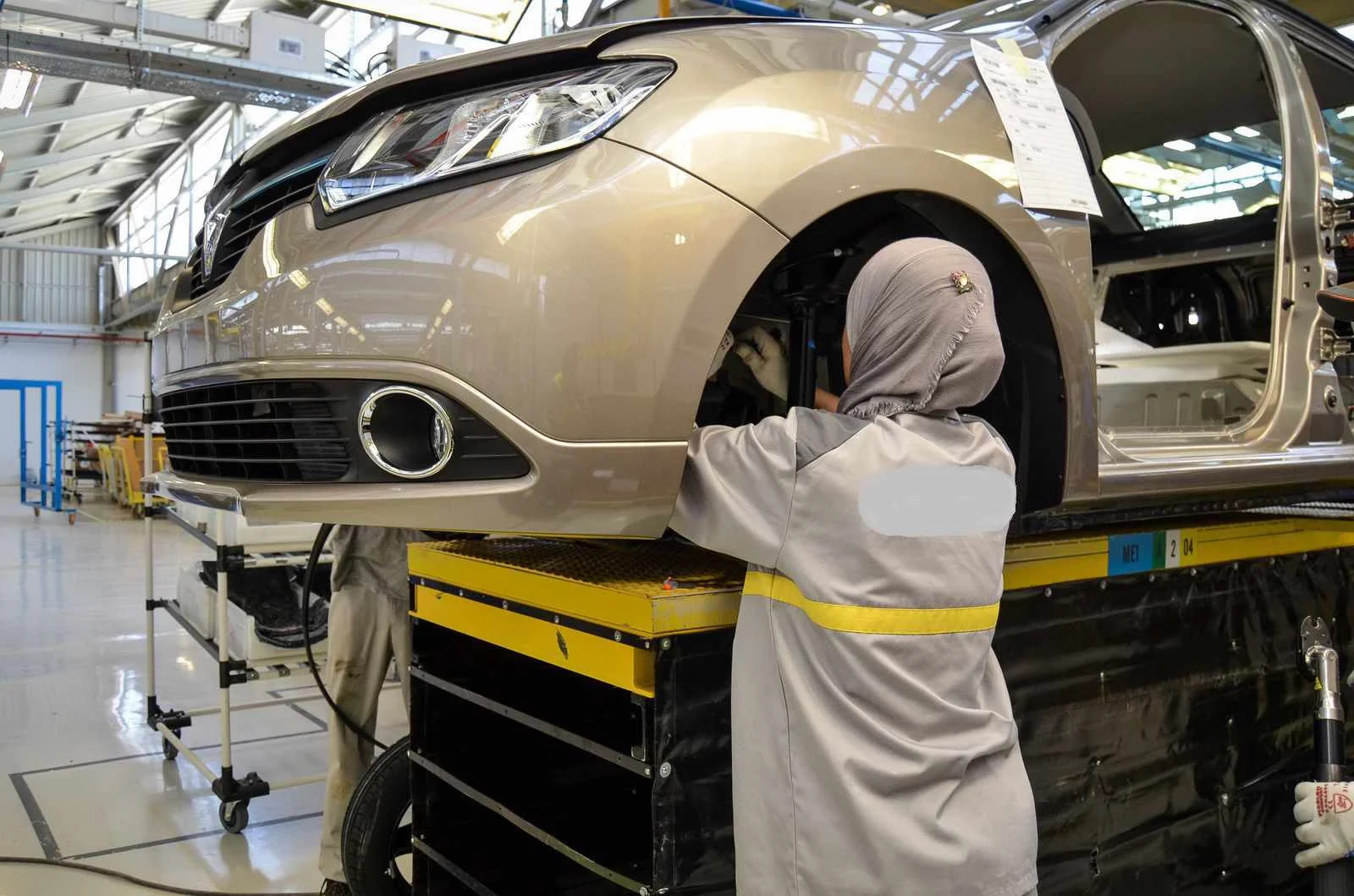
Morocco, the quiet export machine, took a different route entirely. It built for Europe, not for itself. Renault Group and Stellantis anchor an industry backed by over 260 local suppliers, and thanks to the Agadir Agreement, Moroccan-built SUVs and compact cars cross into Europe tariff-free. Then came the real headline, a $6.5 billion investment marking Africa’s first EV battery gigafactory, alongside a separate $300 million deal to build a cathode production unit, the first serious attempt on the continent to manufacture the actual battery chemistry, not just bolt together imported parts. Morocco has rapidly grown into Africa’s leading automotive manufacturing hub, producing over 1 million vehicles annually. The industry is centred around massive production facilities in Tangier, Kénitra, and Casablanca, which predominantly manufacture vehicles for global export, led by major automakers like Renault and Stellantis
I think most coverage undersells what’s happening. Nigeria’s Innoson Vehicle Manufacturing, out of Nnewi in Anambra State, has quietly become one of the continent’s most stubborn success stories. Innoson claims 70% of its parts are made locally, has sold vehicles to the Nigerian Army and federal government, and in September 2024 rolled out the IVM EX02, Nigeria’s first locally produced electric vehicle, rated for 330–400km on a charge.
In Uganda, Kiira Motors began as a 2011 Makerere University student project before becoming a government-backed manufacturer producing the Kiira EV Smack hybrid sedan and the Kayoola solar bus. Ghana has Kantanka. Kenya has Mobius Motors, purpose-built for rural terrain rather than city showrooms. None of these companies are challenging Toyota’s global market share. But they represent something the big OEMs don’t, that is proof that African engineers can design a car from the ground up for African roads, African budgets, and African fuel realities, not a Western model with a lower trim level slapped on.
Now I have to push back on the hype a little. Kenya’s three assembly plants, despite 31.4% growth in assembly volume from 2021 to 2023, still produce vehicles entirely from imported parts, requiring no domestic manufacturing input. That’s not manufacturing, that’s screwdriver assembly with a local address. Across the continent, excluding South Africa and Morocco, the pattern repeats: kits arrive from Asia or Europe, get bolted together locally, and get called “Made in Africa” for tax purposes. Even South Africa, the continent’s most mature auto economy, sits at below 24% overall industrial integration, meaning three-quarters of what goes into a “South African” car still isn’t South African.
That gap matters because it’s the same trap I wrote about with smartphones: assembly isn’t manufacturing, and manufacturing isn’t the same as owning the value chain. A gearbox stamped “Assembled in Kenya” doesn’t build a domestic engineering industry the way a cathode plant in Morocco does.
Well, I believe South Africa and Morocco will keep dominating the continent’s real manufacturing output for at least another decade; that gap is too structural to close quickly. But the story worth watching isn’t either of them. It’s Nigeria’s Innoson and Uganda’s Kiira proving that indigenous, ground-up African car companies can exist and sell vehicles without a foreign parent company’s permission. If Nigeria’s local-content policy holds and Innoson keeps pushing EVs, don’t be surprised if the next decade’s “Toyota of Africa” story doesn’t come out of a foreign boardroom at all, but comes out of Nnewi.