



























There’s a particular look people give me in the consultation room. It’s the look of someone who just found out they don’t need to demolish their house to get a smart home relief, mixed with mild betrayal, like I’ve been sitting on this information for too long. It is important to note that anything with a smart feature won’t change the natural function of that thing; it only improves it with added features containing some degree of intelligence.
Let me set the scene. I run technical operations for a company that does solar installations, smart home automation, and smart security. Every week, someone walks in, sometimes dragging a spouse who’s clearly the sceptic in the relationship, and opens with some version of: “I love the idea, but my house was built in 2015. Isn’t it too late?” Too late for what, exactly? Nobody wired their house for smartness in 2015. Nobody’s wiring it for smartness now, either, not in the way people imagine.
The biggest myth: smart homes need to be built smart from the ground up. This is the granddaddy of all smart home misconceptions, and I understand exactly where it comes from. People watch a YouTube video of some influencer’s newly-built villa in Lekki or Karen with lights that follow you room to room, and they assume all of that was baked into the concrete and conduit from day one. It wasn’t. Most of what impresses people about smart homes lives in devices, not walls.
A smart plug doesn’t care that your wall socket is from 1998. A smart bulb screws into any existing fitting, old chandelier, tired parlour light, doesn’t matter. A smart lock retrofits onto your current door in under an hour. Motion sensors, smart thermostats, app-controlled cameras, these are additions, not renovations. They talk to your home over WiFi or a hub, not through a rewired electrical backbone.
Structural rewiring is only necessary for a narrow set of upgrades, full smart lighting circuits with in-wall smart switches replacing your existing switches, or centralised home automation panels for very large properties. Even then, a decent electrician can retrofit smart switches into existing wiring in a day, not a construction project.
Why does this misconception cost people money and years? Here’s the part that actually bothers me professionally. This myth doesn’t just create confusion; it creates paralysis. In my position, I’ve had clients tell me they’ve been “waiting to build their next house” before considering automation. Meanwhile, they’re sitting in a perfectly good home for another five, seven, ten years, manually checking if they left the gate motor on. That’s real money and real convenience left on the table because of a misunderstanding that takes about ninety seconds to correct.
The African context makes this even more interesting because this isn’t a niche curiosity anymore. The smart home market across Africa is genuinely picking up pace, and the shape of that growth tells you something important. According to Statista’s market outlook, household penetration for smart homes in Africa is projected to grow from 39% in 2024 to over 53% by 2029 and that growth is happening almost entirely inside existing homes, not new construction.
Nigeria’s story is instructive. Industry analysis points to unreliable power supply, high device costs, and limited internet penetration as the real drags on adoption, not the age or wiring of people’s houses. In fact, market watchers describe African smart home adoption as emerging through practical problem-solving rather than aspirational, built-from-scratch automation, with security cameras, motion sensors, video intercoms, and access controls typically being the first entry points for households, followed by energy monitoring tools that pair naturally with solar and backup power systems.
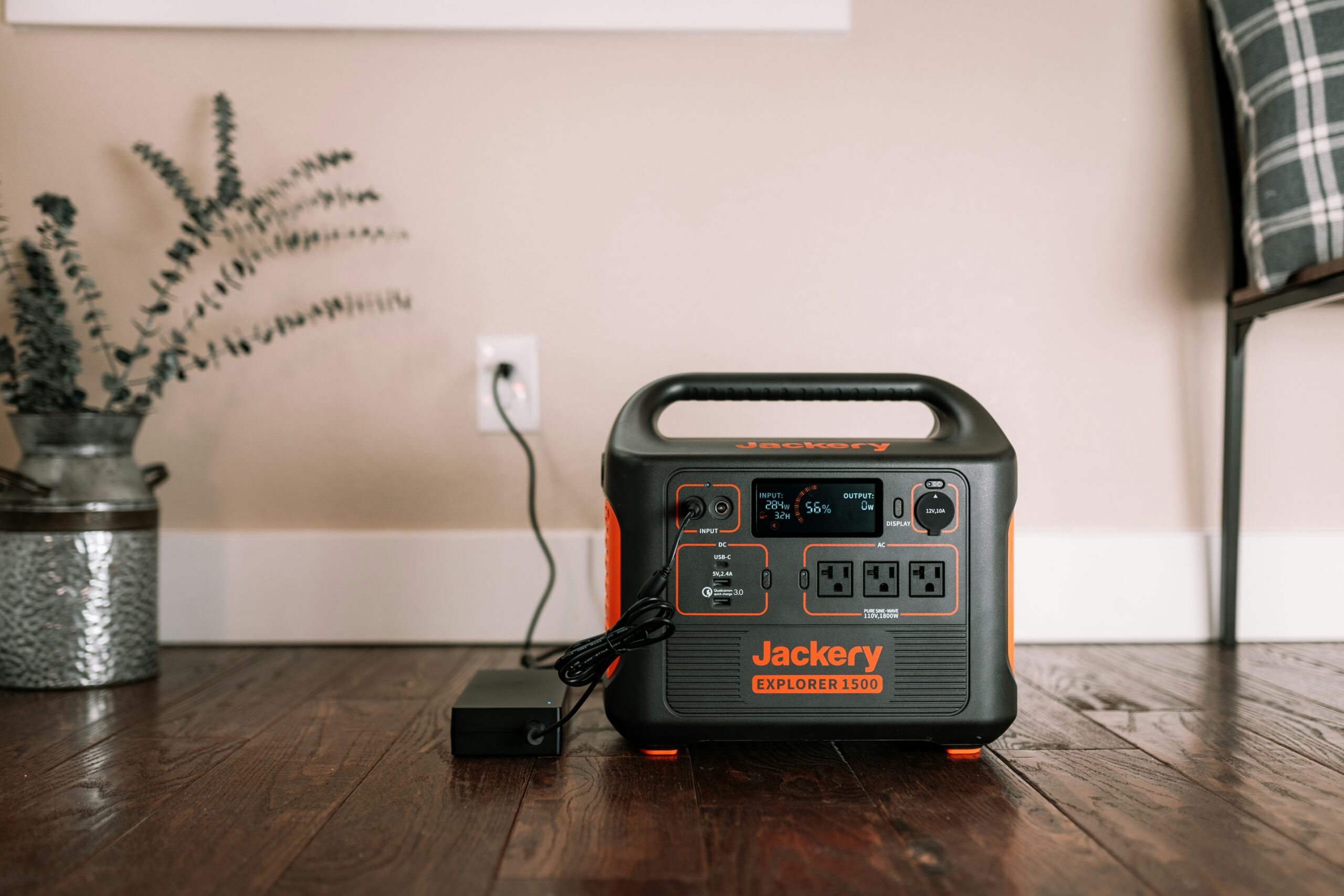
That’s the real African smart home story. It’s not villas with mood lighting. It’s a family in Enugu retrofitting a smart camera at the gate. It’s a homeowner in Nairobi adding a smart plug to monitor the fridge during load-shedding. It’s someone in Douala pairing a solar inverter with an app that tells them exactly how much power is left before the sun goes down. Retrofit, not rebuild.
South Africa currently leads the pack with the continent’s most developed market, Kenya and Egypt are expanding fast on the back of tech-enabled real estate, and Nigeria, despite its power grid headaches, is tipped to register the highest growth rate in the region through 2030. None of that growth is waiting for new housing stock. It’s happening in homes people already own.
I won’t pretend everything about smart home marketing is honest. A lot of vendors, local and international, love to show you the dream setup: whole-house voice control, synchronised lighting scenes, security that “just works.” What they don’t show you is the WiFi that drops the moment NEPA brings the light back, or the hub that needs a firmware update nobody remembers to do, or the fact that half these ecosystems assume stable internet as a given, which anyone who’s managed IT infrastructure in this region knows is a generous assumption.
Retrofitting is real, and it’s accessible. But don’t walk into it thinking it’s plug-and-play magic. It’s engineering, just smaller-scale engineering than people assume, and definitely not construction-scale engineering.
I believe that the next big wave of African smart homes will not be new estates with automation built in from the blueprint. It will be millions of existing homes, the ones already standing in Buea, Lagos, Nairobi, Douala, Accra, Kigali, and all around Africa, getting retrofitted room by room, device by device, over the next five years. Anyone selling “you need to build new” as the only path to a smart home is either misinformed or trying to sell you something bigger than you need. Don’t buy either.