



















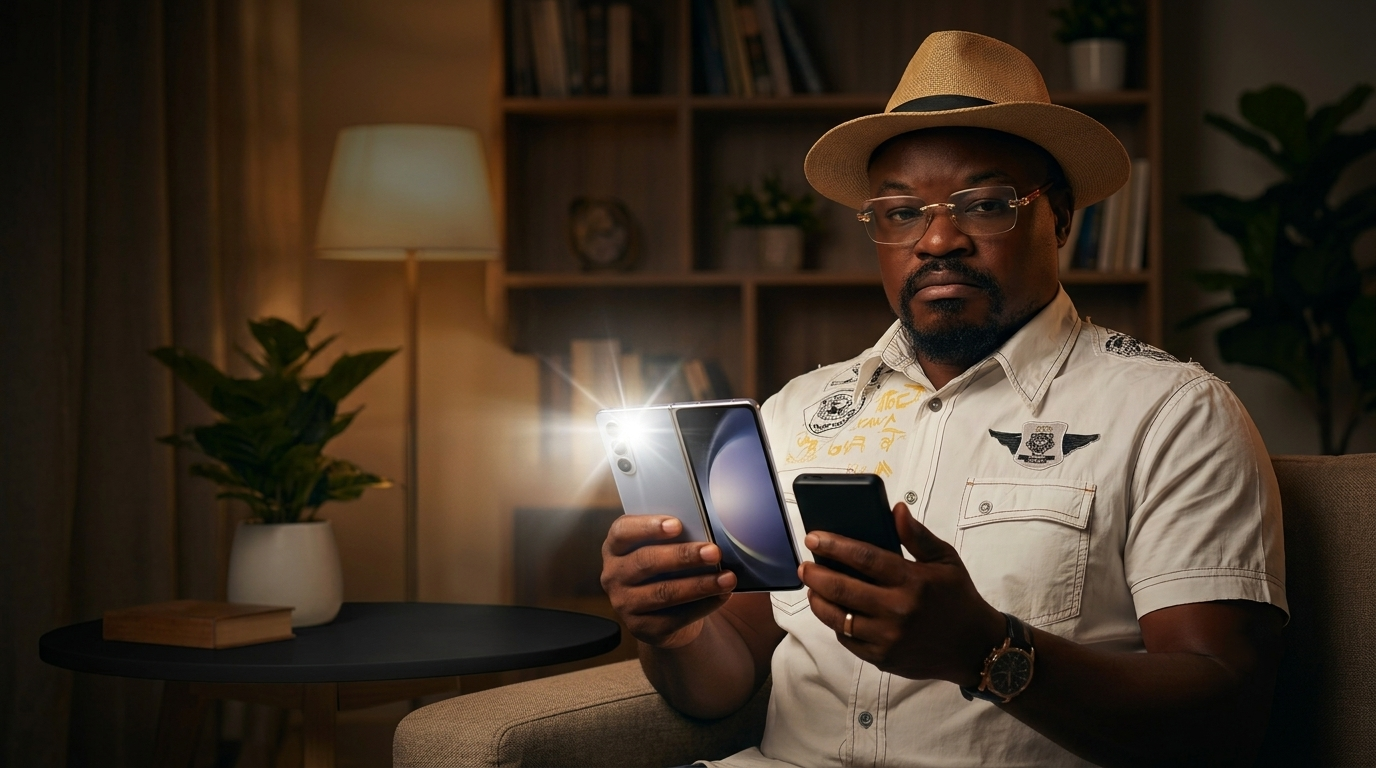
Sometimes technology teaches us lessons we never expected. As someone who has spent years working around technology, digital transformation, IT infrastructure, and technical operations, I often look at devices differently. I see processors, storage, innovation, engineering, user experience, and the endless possibilities behind every piece of technology.
But that night, my mother reminded me of something very important: Technology is not about what we know. Technology is about what people can do with it.
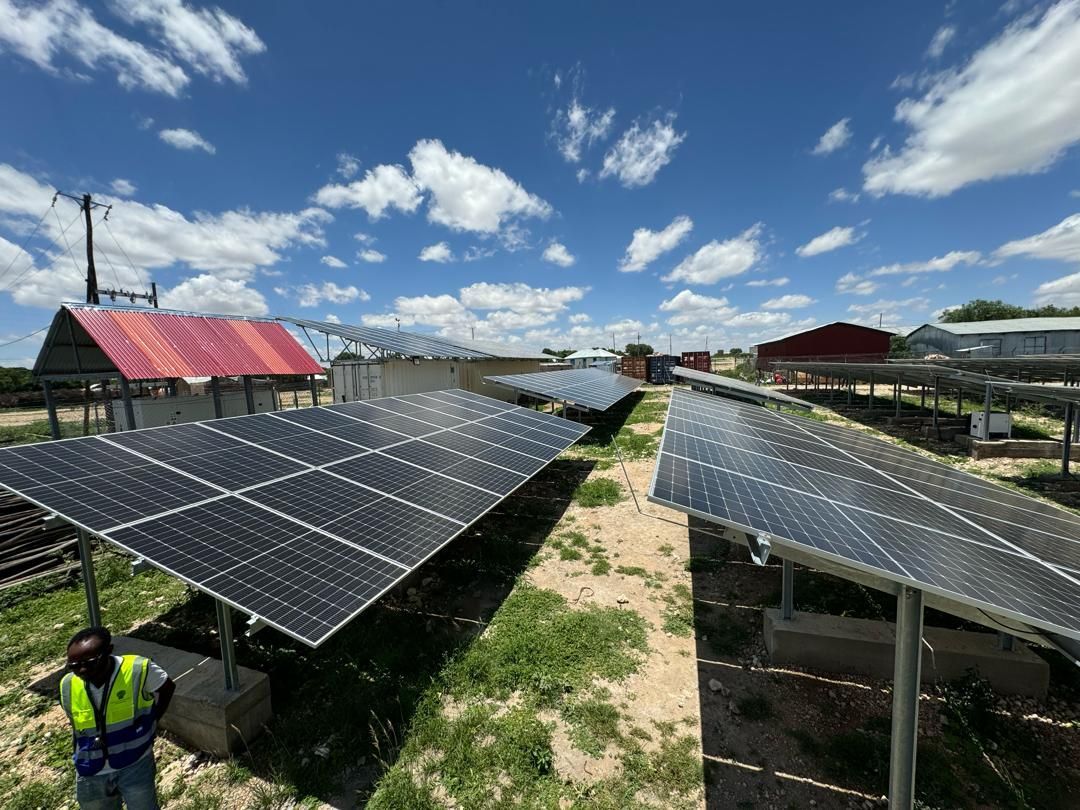
It was one of those typical moments many of us in Cameroon and across Africa understand too well darkness came. The electricity power went out and before you say anything, yes, I know. We know. Electricity in this part of the continent is still a conversation we’re having with the universe, and the universe is not picking up.
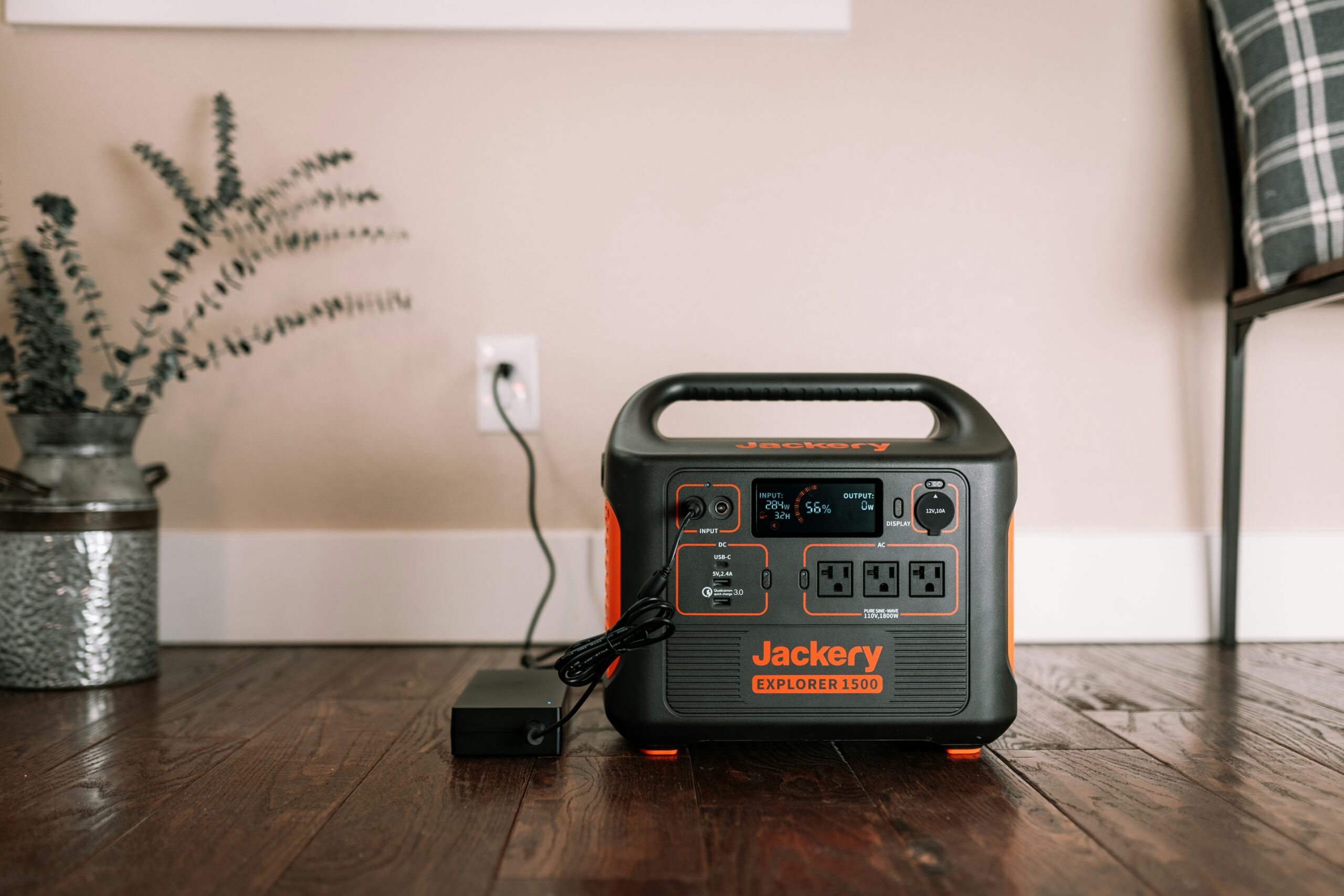
Normally, this would not be a big problem because I had my portable power station ready. That little box of energy has become my personal backup plan during those moments when the national grid decides to take an unexpected vacation.
But on this particular day, even my trusted power station failed. Suddenly, we were back to the old-school solution: So there we were. Candles. Like it was 1987. The same candles our parents depended on years ago.
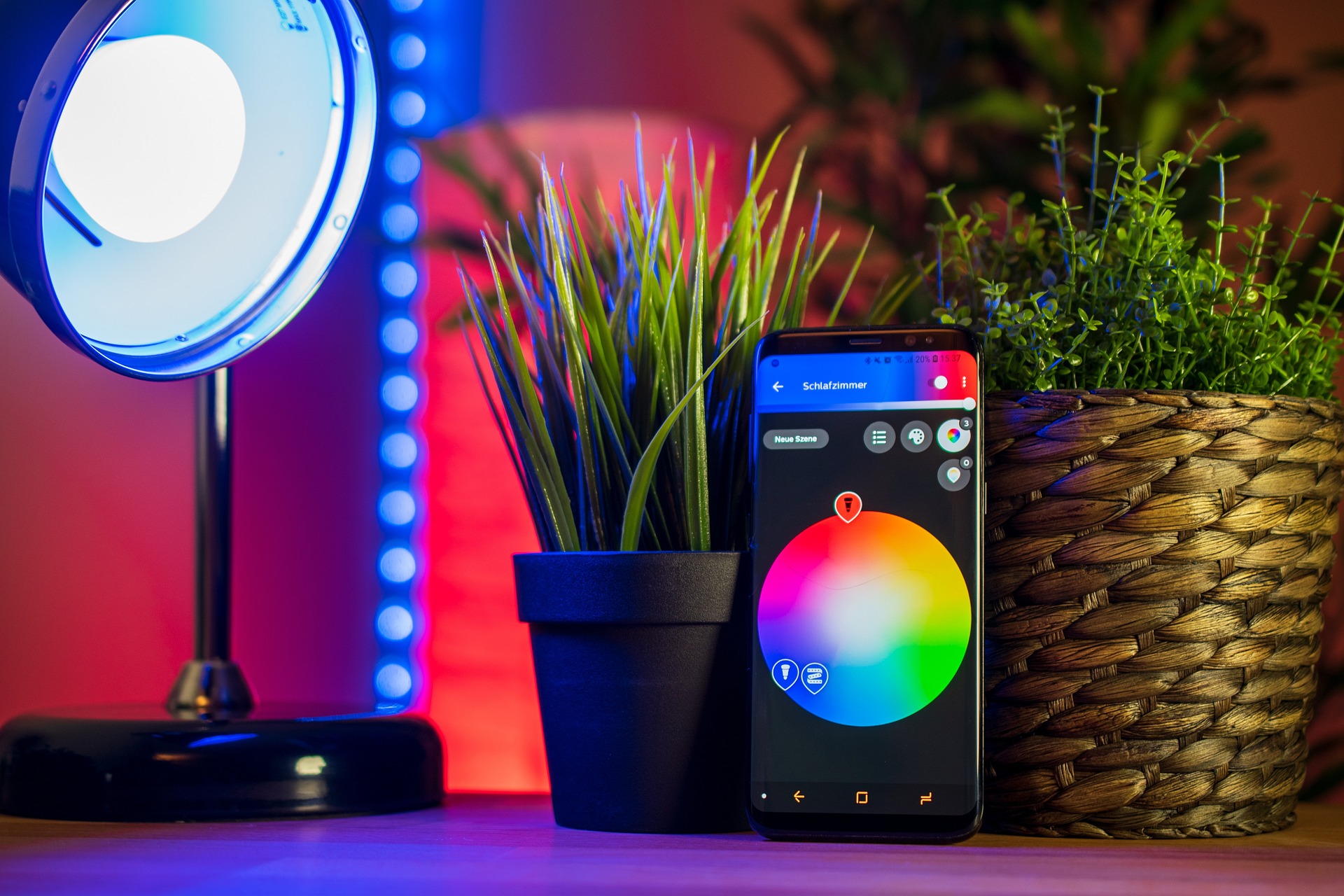
My mother needed to use a corner of the house, so I gave her one of my phones to use the flashlight. The phone? A Samsung Galaxy Fold 5. A premium piece of technology with a price tag that would make many people think twice before buying. A device with a foldable display, powerful processor, advanced cameras, and technology packed into a small piece of engineering.
But my mother did not see any of that. To her, it was simply a bright light in the darkness. So She took it outside to the kitchen, came back, and later went into her room with it. I continued working on my laptop until sleep finally defeated me.
Around midnight, I woke up and decided to check on her. And there she was. My expensive smartphone was peacefully sitting against a corner of the wall, acting as her personal lighting system. She had positioned it perfectly, using the flashlight to continue whatever she needed to do.
At first sight honestly, I grumbled within me then I looked at it quietly for some time and I wanted to laugh or I wanted to explain. But I just smiled and went back to bed. The next morning, my mother asked me: What was that thing you gave me?”
I replied: “Mum, that is a phone.” She looked surprised.
“A phone? It felt like a power bank.” That statement alone was already funny. But then came the moment I had to reveal the truth.
“Mum, that thing you were using in the kitchen is about 1.3 million FCFA.” The reaction? You needed to see my mother. she skipped about one metre back The same woman who was comfortably using a premium smartphone as a torch suddenly jumped.
“1.3 million for a phone?!” Then came the questions:
“Where did you get that kind of money to buy a phone?”
“And you allowed me to carry it around the firewood kitchen where there is smoke?”
At that moment, I realized something. My mother did not understand the technology inside that phone. She did not know about the foldable screen. She did not care about the processor. She had no idea about the engineering behind it. She only understood the problem it solved. There was darkness. She needed light. The phone provided light. Simple.
And honestly, that is the most important lesson about technology. Many people who build technology sometimes forget that the average person does not wake up thinking about specifications. They wake up thinking about problems.
Can this help me work? Can this save me time? Can this make life easier? Can this keep me connected?
Africa is a continent where technology adoption is often shaped by reality. A person may not care that a device has artificial intelligence, but they will care if that AI helps them run their business better. A farmer may not understand cloud computing, but they understand getting better market information. A mother may not understand a foldable smartphone, but she understands having a reliable light source during a blackout. She returned it to me later, fully intact. The Fold 5 survived the firewood kitchen, the candle duty, the midnight lamp service, and whatever else happened in between. That phone is built different. I’ll give Samsung that
Now, honestly, I didn’t know what I was trying to share with this story. But sitting here, I think I do. There’s something deeply, quietly profound about the gap between what a thing is and what it means to different people. To me, that phone is a piece of technology I can appreciate across every dimension; the hardware, the engineering, the foldable display, the software, the price point, the positioning in the market. I live in that world.
To my mother, it was light in the darkness. A practical object that served a human need. That’s it. And honestly? She wasn’t wrong. That’s what it did that night. A 1.3-million-franc phone used as a candle by a woman who thought it was a power bank. It worked exactly as intended That night, my Samsung Galaxy Fold 5 stopped being a smartphone. In my mother’s hands, it became a lamp.
We build, we buy, we upgrade, we spec things out and somewhere along the line we forget that the most fundamental value of technology is just … does it help the person in front of you? Does it satisfy a need?
And maybe that is the biggest difference between technology experts and everyday users.
We see the machine; they see the solution. And sometimes, the person who sees the solution understands technology better than the person who built the machine.
As for the answer to the question my mother asked me, “Where did you get 1.3 million FCFA for a phone?”
That story is coming another day, because that one deserves its own chapter.