









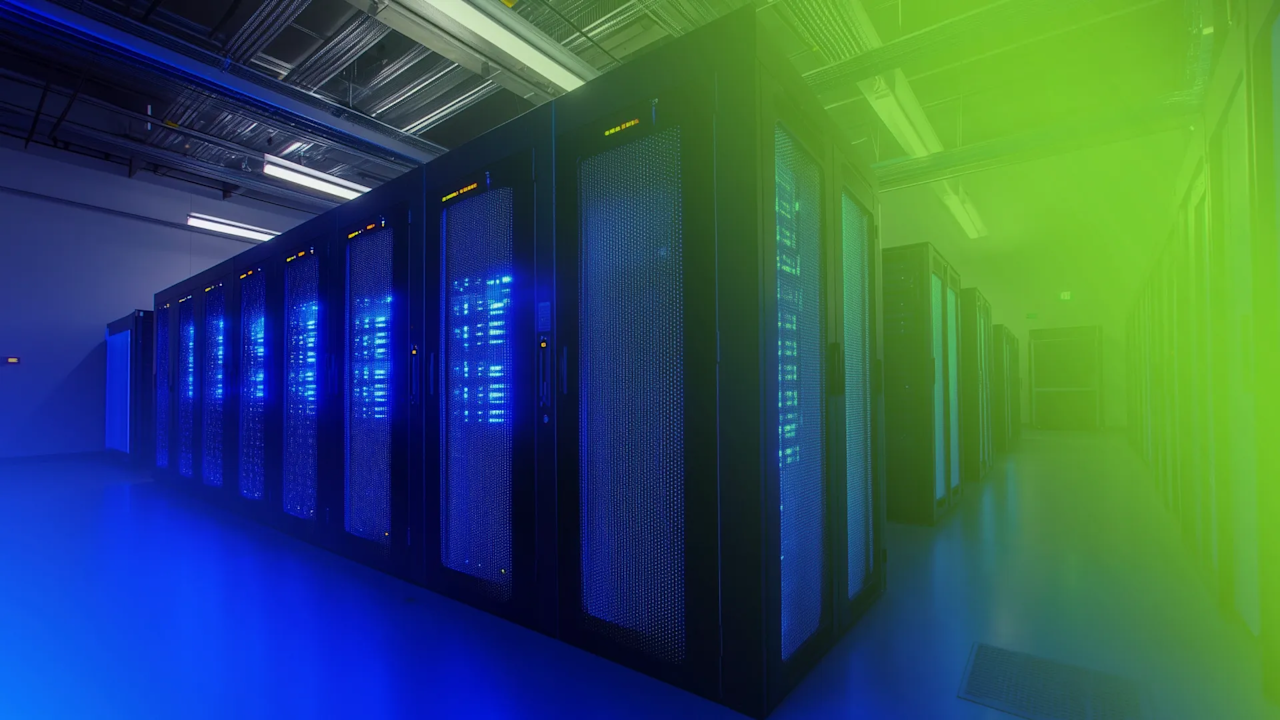








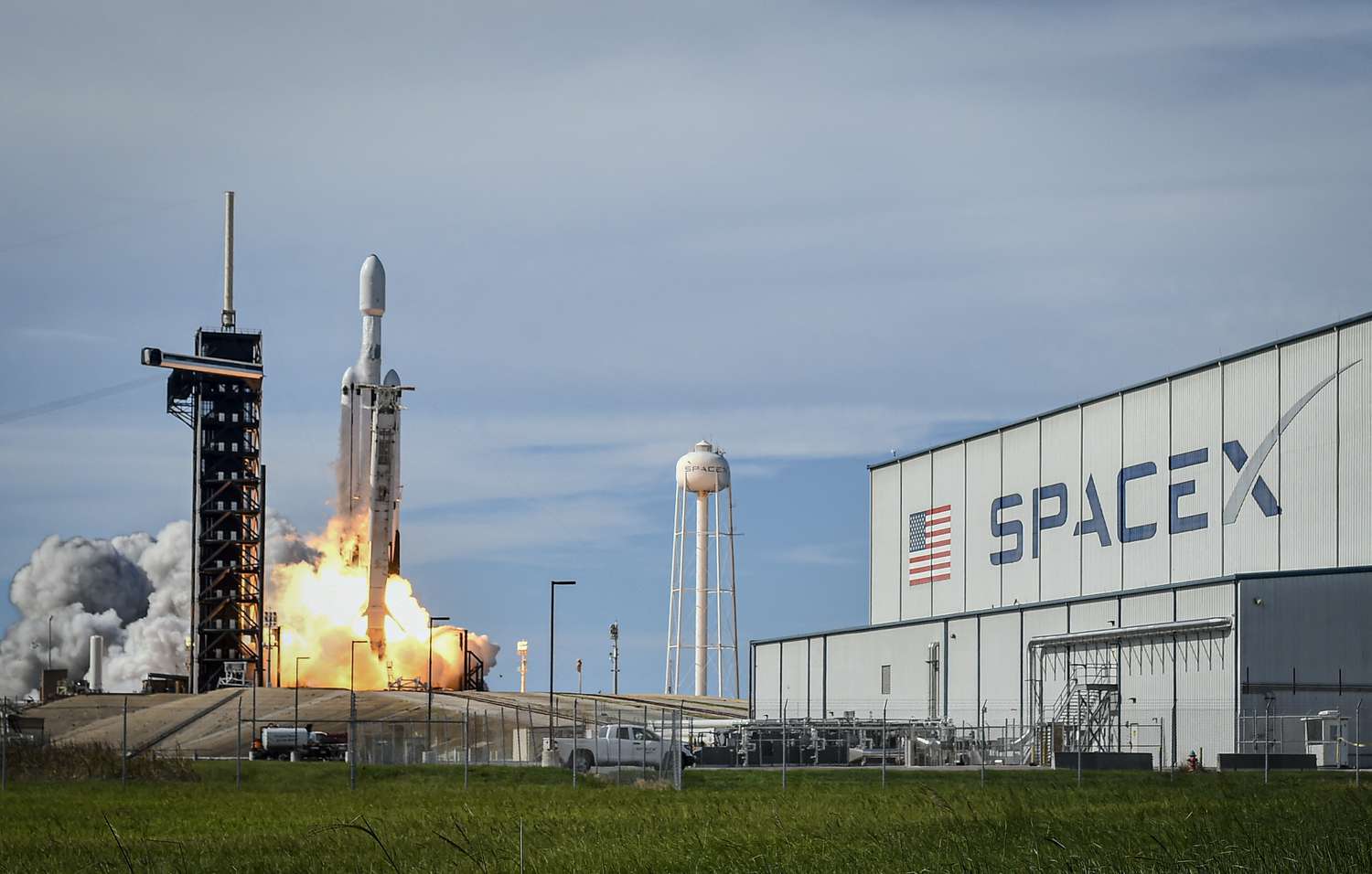
The future of artificial intelligence will not only be decided by who creates the smartest algorithms. It will also be determined by who controls the computing power required to train, deploy, and scale those AI systems. This reality became clearer as SpaceX entered a major computing agreement with open-source artificial intelligence company Reflection AI, providing the startup with access to advanced computing resources from SpaceX’s Colossus 2 data centre. The deal represents a growing shift in the technology industry where access to powerful AI infrastructure has become as important as the AI models themselves.
For Africa, this development carries a deeper message: the next digital revolution will require more than internet connectivity and software developers. It will require investment in data centres, cloud infrastructure, AI research, energy systems, and local computing capacity.
The New AI Battlefield is Computing Power: For years, artificial intelligence discussions focused mainly on algorithms, applications, and user experiences. However, the rise of large AI models has changed the game. Training advanced AI systems requires enormous amounts of computing power, specialised chips, massive data storage, and a reliable energy supply.
This has created a new competitive advantage: companies with access to AI infrastructure can move faster, develop larger models, and compete globally. Reflection AI’s partnership with SpaceX demonstrates how important compute access has become for emerging AI companies trying to compete with established AI laboratories. The agreement reportedly involves significant long-term spending on computing resources, showing how expensive the AI race has become.
But Here’s why Open-Source AI Matters. One of the interesting aspects of this partnership is Reflection AI’s focus on open-source AI. Unlike closed AI systems controlled by a small number of companies, open-source models allow developers, researchers, businesses, and governments to study, modify, and build on AI technologies. This approach could become increasingly important for countries that want technological independence.
For Africa, where many industries are still adopting digital technologies, open-source AI could create opportunities to build locally relevant solutions in areas such as agriculture and food security, Healthcare delivery, Financial services, Education technology, Language translation, and climate and environmental monitoring. African developers and startups could potentially use open AI models to create solutions designed specifically for African challenges.
Now this is an African AI Opportunity: Africa is often described as a mobile-first continent, but the next opportunity may come from becoming an AI-first continent. The continent already has a growing ecosystem of technology startups, fintech companies, software developers, and innovation hubs. However, one major challenge remains: access to infrastructure.
Many African AI startups depend on international cloud providers because building large-scale computing infrastructure locally requires enormous capital. The SpaceX-Reflection AI deal highlights why this matters. Without affordable access to computing resources, African innovators risk becoming consumers of AI technologies rather than creators of them.
The future could see countries and companies investing in: Regional AI data centres, Renewable energy-powered computing facilities, African language AI models, Local cloud platforms, AI research institutions, and energy will become the Foundation of AI
Another important lesson from this development is the relationship between AI and energy. Artificial intelligence doesn’t just require electricity; it requires a lot of it. As more companies build data centres and AI infrastructure, access to reliable and affordable energy will become a competitive advantage.
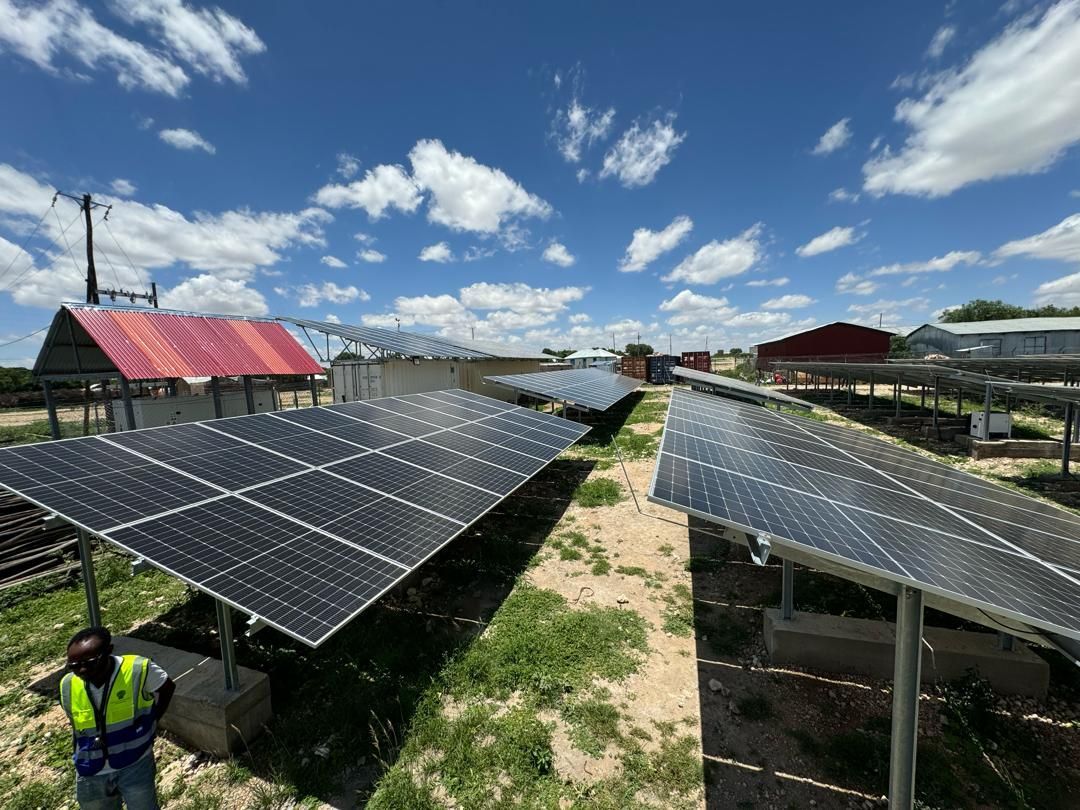
This creates an opportunity for Africa, a continent with enormous renewable energy potential. Solar, hydro, wind, and other renewable energy sources could become important foundations for future AI infrastructure projects. The countries that successfully combine energy availability with digital infrastructure could become major players in the global technology economy.
The biggest takeaway for African entrepreneurs is that the future belongs to companies that build around emerging infrastructure shifts. The next generation of African technology companies may not only create applications. They may also create: AI platforms, Data solutions, Infrastructure services, Industry-specific AI tools, Computing solutions etc. The AI revolution is opening new markets, and Africa has the opportunity to participate if investment moves beyond consumer applications into deeper technology infrastructure.
On a final note, SpaceX’s agreement with Reflection AI is more than a business deal between two technology companies. It represents a major shift in how the AI economy is being built. The winners of the AI era will likely be those who control the infrastructure behind intelligence computing power, energy, data, and talent.
For Africa, the message is clear: the continent must not only adopt artificial intelligence. It must actively participate in building the infrastructure and innovation ecosystems that will define the next generation of technology. The AI race has started, and Africa’s position in that race will depend on the decisions made today.