


























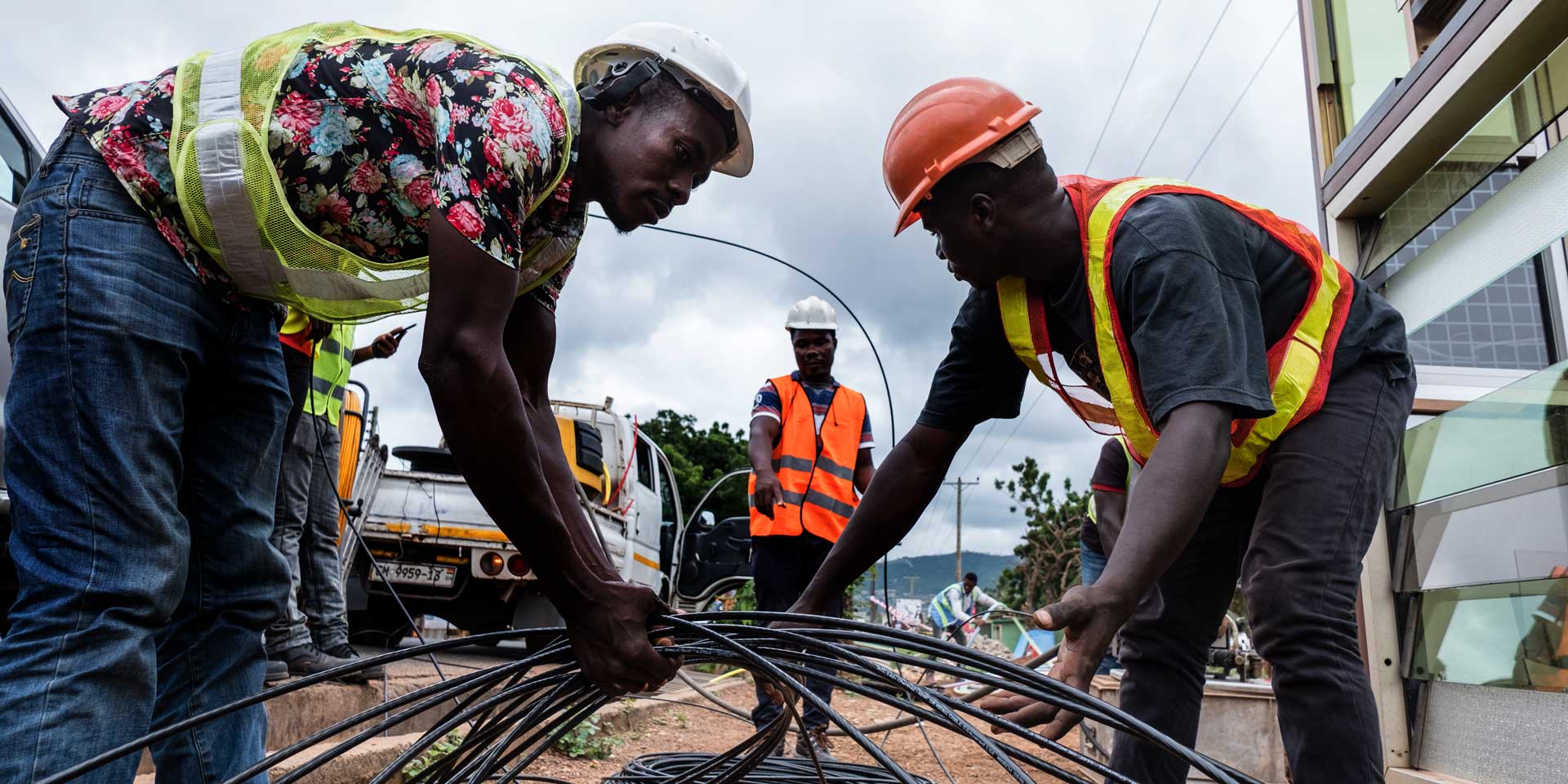
The DRC’s government has signed a $1.5 billion memorandum of understanding with China’s Genew Technologies to lay 1,700km of fibre-optic cable along the Congo River from Muanda to Kisangani, plus nearly 400km of terrestrial connections, totalling about 2,100km of infrastructure. Instead of fighting the DRC’s brutal terrain, the plan uses the river itself and its tributaries as the deployment corridor, sidestepping the country’s vast size, poor road conditions, logistical constraints, and security risks that typically slow infrastructure projects.
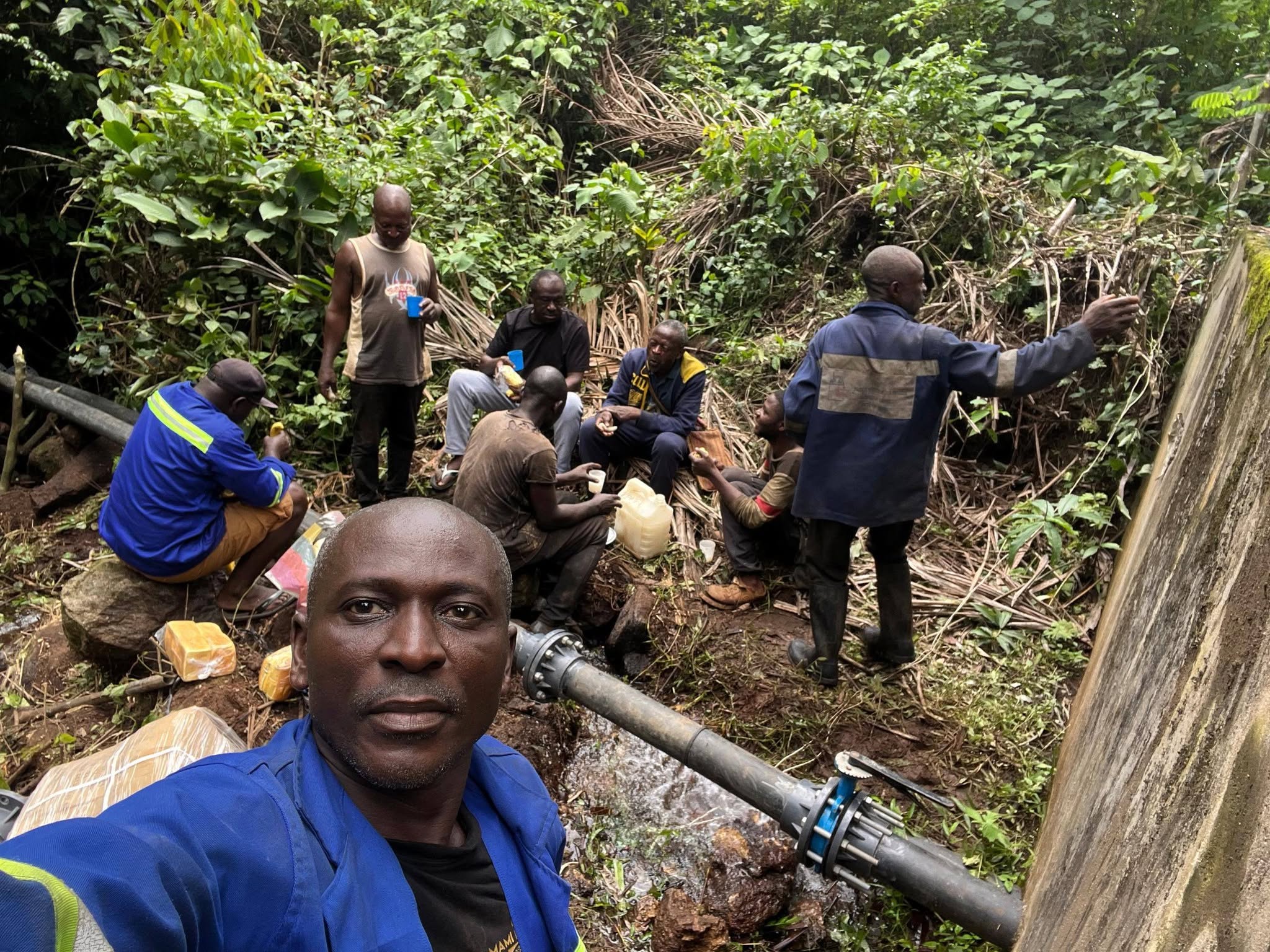
I remember sometime ago when I once sat through a project meeting where an entire electrical cable rollout stalled for three months, not because of budget, not because of equipment delays, but because of a single stretch of road that flooded every rainy season and made the route inaccessible for cable trucks. We eventually rerouted around a river instead of fighting the road. That decision saved the project. So when I read that the DRC just signed off on a plan to lay fibre along the Congo River instead of across roads that barely function, it occurred to me that someone finally did the maths that took us months of pain to figure out in the field.
The DRC’s Ministry of Posts, Telecommunications and Digital Affairs has partnered with China’s Genew Technologies on a memorandum of understanding for a fiber corridor stretching from Muanda to Kisangani, using the Congo River and its tributaries as the deployment path rather than building over land. The MoU is currently just that, a memorandum, with financing, timelines, and construction details still to be finalised. Genew’s CEO, Wu Minhua confirmed the total project cost is estimated at $1.5 billion, with more than $400 million required just for the first phase. As part of the deal, Genew intends to supply equipment, deploy the infrastructure, maintain the network, and train Congolese technicians. That last bit matters more than it sounds, and I’ll come back to it.
Now here’s why the river route is the clever part. If you’ve ever tried to move heavy equipment across DRC’s interior, you already know why this matters. It’s not paranoia, it’s math. The country is enormous, roads are unreliable in the best of seasons, and security risks add cost and delay to almost every terrestrial project. Using the river as the physical corridor is the infrastructure equivalent of routing traffic around a broken bridge; instead of waiting for it to be fixed, you use what already works.
Here’s where I put my “seen this movie before” hat on. This is a signed MoU, not a shovel-in-the-ground contract. The DRC has a track record of ambitious digital MoUs, a $150 million deal with Mauritius’s UIL for 80,000km of cable and a submarine link, a $1 billion agreement with India’s General Technologies, interest from Nigeria’s Fidelity Bank, and not all of them move at the pace the press release implies. Financing structure, construction timeline, and the “who owns and operates this once it’s built” question are all still open. And this river project isn’t even the biggest thing DRC has on its plate right now. The country separately launched a market consultation for an international tender covering more than 11,500km of fibre, including 1,500km of international links, under its World Bank and French Development Agency-backed Digital Transformation Project. That’s the difference between an announcement and an operating network. Track the first construction update before you get excited.
Why This Matters for Africa is that the numbers behind the urgency are stark. As of Q1 2026, mobile phone penetration in DRC sat at 66%, compared to just 0.7% for fixed-line networks; mobile internet penetration was around 30.4%, fixed internet at 43% for a country with 145 territories that need connecting. This isn’t just a Kinshasa problem. If the river corridor actually gets built, it becomes connective tissue for schools, hospitals, and provincial governments that have been functionally offline for a generation, and it sets a template other river-heavy nations (think Nigeria’s Niger Delta, Cameroon’s Sanaga basin, or Zambia’s Zambezi corridor) could study seriously instead of defaulting to road-based fibre builds that keep stalling in the mud.
The technician-training component also deserves attention. Too many African infrastructure MoUs bring in foreign equipment and foreign labour and leave nothing behind but a bill. If Genew genuinely trains Congolese technicians to maintain this network long-term, that’s the difference between a colony of dependency and actual capacity transfer.
Honestly, an MoU is a handshake, not a network, but the idea behind this deal is the real story: African infrastructure planners are finally treating rivers as assets instead of obstacles, and that shift in thinking is worth more than the $1.5 billion price tag. If DRC actually delivers this corridor by the back half of the decade, expect Nigeria, Zambia, and Cameroon to start pitching their own river-based fibre routes within 18 months of the first cable going live because nobody wants to keep losing fibre trucks to the rainy season when the answer was floating past them the whole time